Скидка 5% на первый заказ — RDS5




Архитектор дизайнер на английском

The role of an architect designer in modern construction and interior creation has become increasingly crucial. These professionals serve as the bridge between technical functionality and aesthetic appeal, shaping spaces that not only meet practical needs but also inspire and delight their users. With the growing complexity of building projects and evolving design trends, understanding the intricacies of this profession becomes essential for anyone involved in the construction industry or planning to undertake a design project.
Understanding the Architect Designer’s Role
An architect designer wears multiple hats throughout the project lifecycle. Their responsibilities extend far beyond creating visually appealing designs; they must ensure structural integrity, compliance with regulations, and optimal space utilization while maintaining aesthetic coherence. The primary challenge lies in balancing these often-conflicting requirements while meeting client expectations and budget constraints.
Consider the case of a recent commercial office redesign where the architect had to incorporate modern technology infrastructure within a historic building’s framework. This scenario exemplifies the complex problem-solving required in the field. As we delve deeper into this article, readers will gain comprehensive insights into the architect designer’s workflow, decision-making process, and innovative approaches to contemporary design challenges.
The Multifaceted Skill Set of Modern Architect Designers
The professional toolkit of an architect designer encompasses various specialized skills that distinguish them from general architects or interior designers. First and foremost, they must master spatial visualization – the ability to mentally manipulate three-dimensional spaces and understand how different elements interact within them. This skill is particularly crucial when working on complex projects like multi-level buildings or adaptive reuse developments.
Technical proficiency extends to advanced software applications such as AutoCAD, Revit, and SketchUp, which have become indispensable in modern architectural practice. However, software mastery alone isn’t sufficient. Strong communication skills are equally vital, as architect designers must effectively convey their vision to clients, contractors, and other stakeholders. They need to translate complex technical concepts into understandable terms while maintaining precise documentation throughout the project.
- Proficiency in Building Information Modeling (BIM) systems
- Understanding of sustainable design principles
- Mastery of local building codes and regulations
- Ability to create detailed construction documents
- Strong project management capabilities
The combination of these skills enables architect designers to navigate complex projects successfully, from initial concept sketches to final construction supervision.
Comparing Traditional and Modern Architectural Approaches
The evolution of architectural design practices becomes evident when comparing traditional methods with contemporary approaches. The following table illustrates key differences across various dimensions:
Aspect |
Traditional Approach |
Modern Approach |
|---|---|---|
Design Tools |
Manual drafting, physical blueprints |
BIM software, 3D modeling tools |
Collaboration |
Limited team interaction |
Cloud-based collaboration platforms |
Sustainability |
Minimal environmental considerations |
Integrated green design principles |
Project Timeline |
Months to years for basic designs |
Weeks to months with digital tools |
Client Involvement |
Periodic updates only |
Real-time progress tracking |
This comparison highlights how technological advancements have transformed the architect designer’s workflow, enabling more efficient processes while maintaining high-quality standards.
Step-by-Step Project Execution by Architect Designers
Successful project execution follows a well-defined sequence that ensures all aspects receive proper attention. The initial phase begins with comprehensive site analysis and client consultation. During this stage, the architect designer gathers crucial information about the property’s characteristics, environmental factors, and the client’s specific requirements. This data forms the foundation for developing preliminary design concepts.
Next comes the schematic design phase, where rough sketches and basic layouts take shape. Using both traditional drawing techniques and digital tools, the architect explores various spatial arrangements and material options. This phase typically involves multiple iterations based on client feedback and feasibility studies. Once the basic direction is established, the design development phase refines these concepts into more detailed plans.
The documentation phase transforms these refined ideas into precise construction drawings and specifications. Here, the architect designer creates comprehensive sets of documents that include floor plans, elevations, sections, and detailed construction notes. These documents serve as the blueprint for contractors and builders during the implementation phase.
Throughout the construction process, the architect maintains active involvement through regular site visits and quality control checks. This hands-on approach ensures that the final result aligns with the original design intent while addressing any unforeseen challenges that may arise during construction.
Common Pitfalls and Expert Recommendations
Even experienced architect designers encounter recurring challenges that can compromise project outcomes. One frequent mistake involves inadequate initial planning, leading to costly modifications later in the process. Another common error is underestimating the importance of lighting design, which significantly impacts both functionality and ambiance.
To avoid these pitfalls, several best practices should be followed:
- Implement thorough pre-design research and analysis
- Maintain clear documentation of all design decisions
- Establish realistic timelines and budgets
- Conduct regular quality assurance checks
- Foster open communication channels with all stakeholders
Particularly important is the integration of flexible design elements that can adapt to future needs. For instance, designing commercial spaces with modular partitions allows for easy reconfiguration as business needs evolve.
Innovations Transforming Architectural Design
Recent technological advancements have revolutionized the architect designer’s toolkit. Virtual Reality (VR) and Augmented Reality (AR) technologies now enable immersive client presentations, allowing stakeholders to experience spaces before construction begins. Artificial Intelligence (AI) applications assist in optimizing space utilization and energy efficiency calculations.
Sustainable design innovations have also gained significant traction. Smart building systems that automatically adjust lighting, temperature, and ventilation based on occupancy patterns contribute to both environmental sustainability and operational cost savings. Additionally, new materials with enhanced properties – such as self-healing concrete and photovoltaic glass – offer exciting possibilities for future projects.
Expert Insights: Interview with Michael Thompson
Michael Thompson, a renowned architect designer with over 20 years of experience and numerous award-winning projects, shares valuable insights from his practice. As the founder of Thompson Design Group and former president of the National Association of Architect Designers, he brings unparalleled expertise to our discussion.
«One crucial lesson I’ve learned,» Michael explains, «is the importance of maintaining flexibility throughout the design process. While having a strong initial vision is essential, being able to adapt to unexpected challenges or client requests often makes the difference between a good project and an outstanding one.»
He recalls a particularly challenging residential project where the discovery of historical artifacts during excavation threatened to derail the entire development. «By collaborating closely with archaeologists and preservation specialists, we incorporated these findings into the design, creating a unique feature that added significant value to the property.»
Michael emphasizes the growing importance of interdisciplinary collaboration: «Modern projects require seamless integration of various specialties – structural engineering, landscape architecture, interior design, and environmental consulting. Successful projects depend on how well these different domains work together.»
Frequently Asked Questions About Architect Designers
- What qualifications should I look for in an architect designer?
Ensure they hold proper accreditation from recognized institutions and have relevant project experience in your specific type of development. - How long does a typical design project take?
While timelines vary, most projects range from 6 to 18 months, depending on complexity and scope. - Can I modify the design during construction?
Yes, though changes may incur additional costs. It’s best to finalize major decisions before construction begins.
Conclusion
The role of an architect designer continues to evolve, blending traditional craftsmanship with cutting-edge technology to create spaces that enhance human experiences. Their expertise bridges the gap between conceptual vision and practical implementation, ensuring that buildings not only function effectively but also contribute positively to their surroundings.
RU DESIGN SHOP — это интернет магазин товаров для дома и ремонта от российских производителей, rudesignshop.ru предлагает большой выбор по доступной цене и является надежным партнером при покупке с быстрой доставкой по всем городам России. RU DESIGN SHOP помогает подобрать товар по вашему проекту, а также есть система лояльности, акции и скидки. RU DESIGN SHOP реализует товары произведенные в России. RU DESIGN SHOP приглашает к сотрудничеству дизайнеров интерьера, архитекторов, строителей и мастеров.
Whether you’re planning a simple home renovation or a complex commercial development, understanding the architect designer’s role and capabilities ensures better project outcomes and more satisfying results.
⚠️ Дисклеймер — нажмите, чтобы развернуть
Материалы, опубликованные в разделе «Блог» на сайте RU DESIGN SHOP (rudesignshop.ru), носят исключительно информационный и ознакомительный характер и не являются руководством к действию, финансовой рекомендацией, медицинской услугой, ветеринарным назначением либо рекламой товаров и услуг, включая азартные игры. Публикации не содержат призывов к участию в азартных играх и не направлены на продвижение соответствующих операторов.
Безопасность применения товаров и веществ: при использовании строительных материалов, бытовой химии, пестицидов и агрохимикатов необходимо строго следовать инструкциям производителя и действующему законодательству Российской Федерации, включая Федеральный закон РФ от 19.07.1997 № 109-ФЗ «О безопасном обращении с пестицидами и агрохимикатами».
Упоминание товарных знаков, брендов и организаций носит исключительно информационный характер и не означает наличие партнёрских отношений или одобрения со стороны правообладателей.
Материалы, содержащие сведения о медицинских, ветеринарных или косметических средствах, представлены в справочных целях и не являются медицинской консультацией или назначением. Перед применением рекомендуется обратиться к врачу, ветеринарному специалисту или иному сертифицированному профессионалу.
Возрастные ограничения: материалы, содержащие сведения о продукции категории 18+, включая алкоголь или азартные игры, предназначены исключительно для совершеннолетней аудитории и публикуются в информационных целях.
Правовая ответственность: решения, принятые на основе опубликованной информации, пользователь принимает самостоятельно и на свой риск; редакция и авторы несут ответственность в пределах, установленных законодательством Российской Федерации.
Редакция не допускает публикаций, содержащих пропаганду экстремизма, терроризма, наркотических средств или суицида; подобные материалы подлежат немедленному удалению.
Упоминание организаций с ограниченным статусом: компания Meta Platforms Inc. (социальные сети Facebook и Instagram) признана экстремистской организацией решением суда РФ, её деятельность запрещена на территории Российской Федерации; любые упоминания приводятся исключительно в информационных целях.
Авторские права и источники: информация собирается из открытых источников; её актуальность указывается на дату публикации и может изменяться.
Изображения и иллюстрации используются на условиях, разрешённых правообладателями. При возникновении претензий редакция готова оперативно рассмотреть обращение и внести необходимые изменения.
Персональные данные и cookies: сайт использует cookies и обрабатывает персональные данные пользователей в соответствии с Федеральным законом № 152-ФЗ «О персональных данных» и Политикой конфиденциальности RU DESIGN SHOP.
Мнения авторов могут не совпадать с позицией государственных органов или коммерческих организаций, упомянутых в материалах.
РЕКОМЕНДУЕМ
Товары от российских производителей

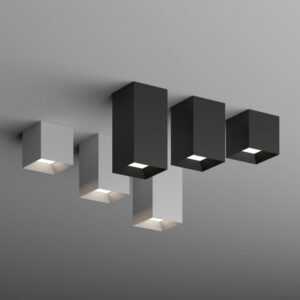
Светильник KUBIC Forstlight
Диапазон цен: 8040 руб. – 9650 руб.