Скидка 5% на первый заказ — RDS5



Архитектура на английском языке
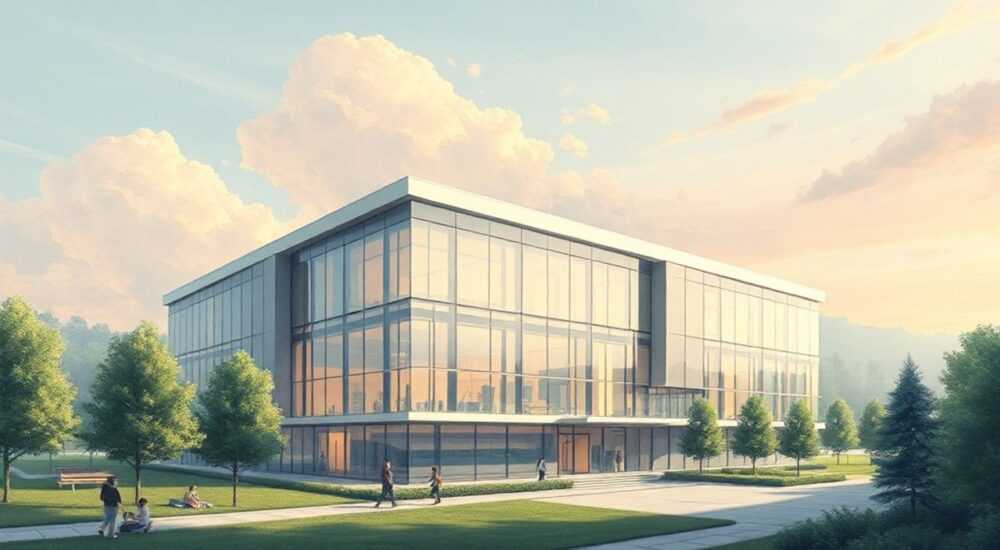
Architecture surrounds us every day, shaping our environment and influencing how we live and work. From ancient wonders to modern skyscrapers, architectural styles have evolved dramatically throughout history, reflecting technological advances and cultural shifts. Understanding architecture in English opens doors to global communication in this field, enabling professionals and enthusiasts to share ideas across borders. The language of architecture encompasses not only technical terms but also creative expressions that help convey complex concepts.
Understanding Architectural Terminology
Mastering architectural vocabulary presents challenges for both students and professionals. Technical terms like «facade,» «blueprint,» and «elevation» require precise understanding, while descriptive words such as «minimalist,» «ornate,» or «functional» demand cultural context. This complexity often leads to miscommunication in international projects, where subtle differences in terminology can significantly impact design outcomes.
The rewards of overcoming these challenges are substantial. Architects who command English architectural terminology can access a wealth of global resources, participate in international competitions, and collaborate on multinational projects. They gain the ability to articulate their vision clearly and precisely, whether discussing structural integrity with engineers or aesthetic choices with clients.
Throughout this article, readers will explore essential architectural terms, learn practical applications through real-world examples, and discover strategies for effective communication in professional settings. We’ll examine how architectural language has evolved alongside building techniques and delve into modern trends shaping today’s built environment.
Core Elements of Architectural Language
Architectural terminology divides into several distinct categories, each serving specific purposes in design and construction. Structural terms form the foundation of architectural vocabulary, including elements like «foundation,» «beam,» and «column.» These words describe the skeleton of buildings, crucial for understanding load-bearing aspects and stability requirements.
Design terminology focuses on aesthetic and functional aspects, encompassing words like «proportion,» «symmetry,» and «spatial organization.» This category helps architects communicate how spaces relate to each other and how they affect human experience within buildings. For instance, describing a space as having «good flow» indicates intuitive movement paths between areas.
Construction-specific language includes technical processes and materials. Terms like «reinforced concrete,» «curtain wall,» and «HVAC systems» appear frequently in project documentation. A table comparing these terms with their functions illustrates their importance:
Term |
Function |
Example Usage |
|---|---|---|
Facade |
Building exterior |
«The glass facade maximizes natural light.» |
Cantilever |
Horizontal projection |
«The cantilever extends 10 meters beyond support.» |
Truss |
Structural framework |
«Steel trusses support the roof structure.» |
Historical Evolution of Architectural Styles
Architectural movements have transformed dramatically through centuries, each era leaving distinct linguistic marks. Gothic architecture introduced terms like «flying buttress» and «ribbed vault,» while Renaissance brought «pilaster» and «entablature» into common usage. The Industrial Revolution expanded vocabulary with «steel frame» and «prefabrication,» reflecting technological advancements.
Modernism simplified architectural language, emphasizing «form follows function» and introducing concepts like «open plan» and «minimalist aesthetics.» Postmodern architecture reacted against this simplicity, reviving ornamental terms and creating new expressions for mixed-use developments. Today’s sustainable architecture adds eco-friendly terminology: «green roofs,» «passive solar design,» and «carbon footprint analysis.»
These linguistic evolutions mirror broader societal changes. For example, the term «smart building» emerged with digital technology integration, while «adaptive reuse» reflects growing environmental consciousness in urban planning.
Practical Applications in Professional Settings
Effective communication in architectural practice demands more than vocabulary knowledge; it requires strategic application. During client presentations, architects must balance technical precision with accessible explanations. Instead of saying «the fenestration pattern optimizes solar gain,» one might explain, «window placement maximizes natural light while controlling heat.»
Project documentation presents another challenge. Specifications and contracts demand exact terminology to avoid costly misunderstandings. Common pitfalls include using «concrete» when meaning «cement,» or «elevation» instead of «section view.» Experts recommend maintaining a glossary for each project to ensure consistency across teams.
International collaboration introduces additional complexity. Cultural differences can alter word meanings – what Americans call a «façade,» British architects might term «frontage.» Successful firms establish clear communication protocols, often including visual references alongside written descriptions.
Expert Insights: Bridging Language and Design
Michael Thompson, a renowned architect with over 25 years of international experience, shares valuable perspectives on mastering architectural English. As former president of the International Union of Architects’ Education Commission, he’s witnessed countless cross-cultural projects. «The key isn’t just knowing words,» he explains, «but understanding their contextual weight in different markets.»
Thompson recalls a pivotal moment during a Dubai skyscraper project. «Our Chinese partners interpreted ‘curtain wall’ differently than intended. What seemed like a minor translation issue nearly caused major structural problems.» He emphasizes developing «language redundancy» – explaining concepts multiple ways to ensure clarity.
His advice for emerging professionals? «Create personal case studies. Document every misunderstanding you encounter. I’ve built my own database of over 300 terms with visual examples, regional variations, and practical applications.» This systematic approach has helped his firm maintain consistent quality across projects in 15 countries.
Common Questions About Architectural Communication
- How can I improve my architectural vocabulary quickly? Start by focusing on one building type at a time. Study its components systematically, from foundation to roof. Use flashcards with images and definitions, and practice describing buildings aloud.
- What are the most frequently misused architectural terms? Many confuse «modern» with «contemporary.» Modern specifically refers to early-mid 20th century styles, while contemporary means current designs. Another common mistake is using «blueprint» for all design documents – technically, it’s a specific reproduction method.
- How important is pronunciation in professional settings? While perfect pronunciation isn’t crucial, clarity matters. Mispronouncing «facade» as «fah-cade» instead of «fuh-sahd» could cause confusion. Practice challenging words regularly, especially before presentations.
Innovations Shaping Future Architectural Language
Emerging technologies are revolutionizing architectural terminology. Virtual Reality (VR) introduces terms like «immersive modeling» and «haptic feedback,» while Artificial Intelligence brings «generative design» and «algorithmic optimization» into mainstream usage. These innovations necessitate new vocabulary while redefining traditional concepts.
Sustainability drives another wave of linguistic evolution. Terms like «biophilic design,» «net-zero energy,» and «life cycle assessment» now appear regularly in project briefs. The rise of smart cities adds «IoT integration,» «digital twin,» and «urban analytics» to professional lexicons.
Blockchain technology even impacts architectural language, with concepts like «smart contracts» and «decentralized ownership models» entering property development discussions. These changes reflect architecture’s expanding role beyond physical structures to encompass digital and social dimensions.
As we’ve explored architecture’s linguistic landscape, it’s clear that mastering its English terminology provides far-reaching benefits. Professionals gain not just vocabulary but powerful tools for global collaboration and innovative design. The journey from basic terms to sophisticated concepts mirrors architecture itself – building strong foundations while reaching for new heights.
RU DESIGN SHOP — это интернет магазин товаров для дома и ремонта от российских производителей, rudesignshop.ru предлагает большой выбор по доступной цене и является надежным партнером при покупке с быстрой доставкой по всем городам России. RU DESIGN SHOP помогает подобрать товар по вашему проекту, а также есть система лояльности, акции и скидки. RU DESIGN SHOP реализует товары произведенные в России. RU DESIGN SHOP приглашает к сотрудничеству дизайнеров интерьера, архитекторов, строителей и мастеров.
⚠️ Дисклеймер — нажмите, чтобы развернуть
Материалы, опубликованные в разделе «Блог» на сайте RU DESIGN SHOP (rudesignshop.ru), носят исключительно информационный и ознакомительный характер и не являются руководством к действию, финансовой рекомендацией, медицинской услугой, ветеринарным назначением либо рекламой товаров и услуг, включая азартные игры. Публикации не содержат призывов к участию в азартных играх и не направлены на продвижение соответствующих операторов.
Безопасность применения товаров и веществ: при использовании строительных материалов, бытовой химии, пестицидов и агрохимикатов необходимо строго следовать инструкциям производителя и действующему законодательству Российской Федерации, включая Федеральный закон РФ от 19.07.1997 № 109-ФЗ «О безопасном обращении с пестицидами и агрохимикатами».
Упоминание товарных знаков, брендов и организаций носит исключительно информационный характер и не означает наличие партнёрских отношений или одобрения со стороны правообладателей.
Материалы, содержащие сведения о медицинских, ветеринарных или косметических средствах, представлены в справочных целях и не являются медицинской консультацией или назначением. Перед применением рекомендуется обратиться к врачу, ветеринарному специалисту или иному сертифицированному профессионалу.
Возрастные ограничения: материалы, содержащие сведения о продукции категории 18+, включая алкоголь или азартные игры, предназначены исключительно для совершеннолетней аудитории и публикуются в информационных целях.
Правовая ответственность: решения, принятые на основе опубликованной информации, пользователь принимает самостоятельно и на свой риск; редакция и авторы несут ответственность в пределах, установленных законодательством Российской Федерации.
Редакция не допускает публикаций, содержащих пропаганду экстремизма, терроризма, наркотических средств или суицида; подобные материалы подлежат немедленному удалению.
Упоминание организаций с ограниченным статусом: компания Meta Platforms Inc. (социальные сети Facebook и Instagram) признана экстремистской организацией решением суда РФ, её деятельность запрещена на территории Российской Федерации; любые упоминания приводятся исключительно в информационных целях.
Авторские права и источники: информация собирается из открытых источников; её актуальность указывается на дату публикации и может изменяться.
Изображения и иллюстрации используются на условиях, разрешённых правообладателями. При возникновении претензий редакция готова оперативно рассмотреть обращение и внести необходимые изменения.
Персональные данные и cookies: сайт использует cookies и обрабатывает персональные данные пользователей в соответствии с Федеральным законом № 152-ФЗ «О персональных данных» и Политикой конфиденциальности RU DESIGN SHOP.
Мнения авторов могут не совпадать с позицией государственных органов или коммерческих организаций, упомянутых в материалах.
РЕКОМЕНДУЕМ
Товары от российских производителей

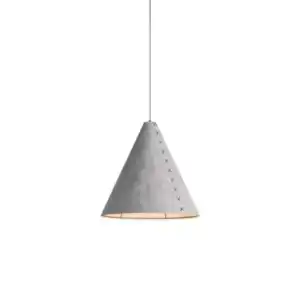
Светильник из войлока KR006.04
38614 руб.