Скидка 5% на первый заказ — RDS5



Декоративно прикладное искусство на английском
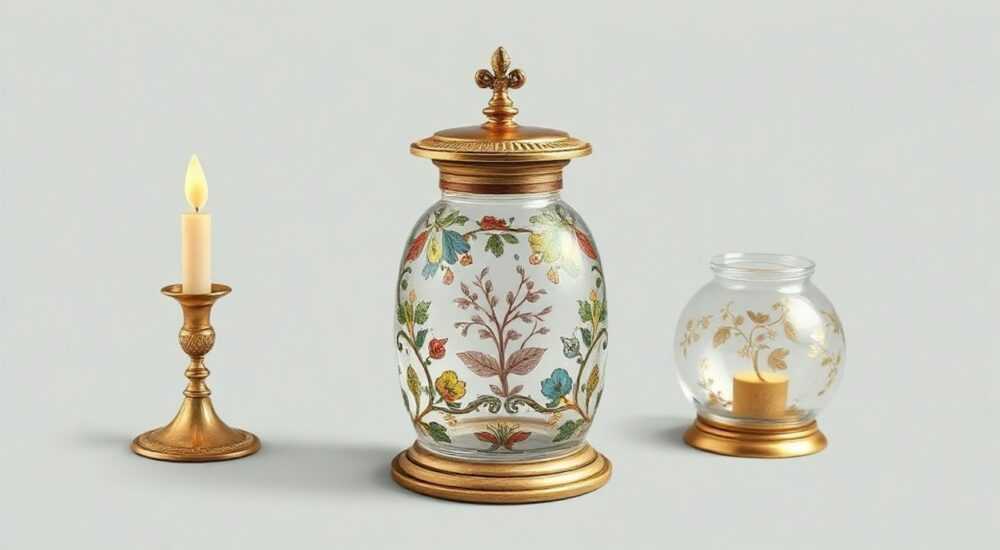
Decorative and applied art represents a fascinating intersection of functionality and aesthetics, where everyday objects transform into works of art. This unique form of creative expression has captivated human imagination for centuries, evolving from simple craft techniques to sophisticated artistic movements. Today, the world of decorative and applied arts faces new challenges as modern technology and mass production threaten traditional craftsmanship while simultaneously offering unprecedented opportunities for innovation. Understanding this dynamic field requires exploring its rich history, examining contemporary applications, and considering how it shapes our living spaces and cultural identity.
Historical Evolution and Cultural Significance
The journey of decorative and applied art spans millennia, with each civilization contributing its unique aesthetic language. Ancient Egyptians mastered intricate jewelry making and hieroglyphic decorations, while Chinese artisans perfected porcelain techniques that remain influential today. The Renaissance period marked a significant turning point, elevating crafts from mere utility to high art status. During the Industrial Revolution, William Morris spearheaded the Arts and Crafts movement, emphasizing handmade quality over machine-made uniformity.
- Traditional techniques preserved cultural heritage across generations
- Regional variations reflected local materials and customs
- Artistic innovations often originated from practical needs
These historical developments laid the foundation for modern decorative arts, influencing everything from interior design to product manufacturing. The table below illustrates key periods and their characteristic styles:
Period |
Distinctive Features |
Notable Techniques |
|---|---|---|
Baroque (1600-1750) |
Ornate details, dramatic effects |
Gilding, wood carving |
Art Nouveau (1890-1910) |
Organic forms, flowing lines |
Stained glass, ironwork |
Mid-Century Modern (1933-1965) |
Clean lines, functional forms |
Bent plywood, fiberglass |
Contemporary Applications and Design Integration
Modern decorative and applied arts have evolved beyond traditional boundaries, finding new expressions in various fields. Interior designers increasingly incorporate artisanal elements to create unique spaces that reflect personal stories and cultural backgrounds. From hand-painted tiles in kitchen backsplashes to custom-designed light fixtures, these artistic touches transform ordinary environments into personalized sanctuaries.
The integration of technology has opened exciting possibilities for decorative arts practitioners. Digital tools enable precise pattern replication while maintaining handmade authenticity. Laser cutting and 3D printing technologies allow artists to experiment with complex designs that were previously impossible to achieve manually. This fusion of traditional craftsmanship with modern techniques results in innovative products that appeal to contemporary consumers seeking both beauty and functionality.
Mastering Decorative Techniques: Practical Approaches
Creating successful decorative art pieces requires understanding fundamental techniques and their appropriate applications. Surface decoration methods like marquetry, inlay, and gilding demand precision and patience. Each technique follows specific steps, from material preparation to final finishing. For instance, proper wood selection and conditioning are crucial before attempting intricate marquetry work.
- Start with mastering basic tools and materials
- Practice traditional techniques on small projects
- Gradually incorporate modern tools while preserving authenticity
Common mistakes include rushing the preparation phase or neglecting proper finishing techniques. Experts recommend maintaining detailed process documentation and regularly evaluating work quality at each stage. Proper workspace organization and tool maintenance significantly impact final results, regardless of the chosen decorative method.
Comparative Analysis of Artistic Mediums
Different materials offer unique possibilities and challenges in decorative arts. The table below compares popular mediums based on various criteria:
Material |
Workability |
Durability |
Finish Options |
Cost Factor |
|---|---|---|---|---|
Wood |
Excellent |
High |
Varnish, paint, natural |
Moderate |
Ceramic |
Good |
Very High |
Glaze, paint |
Low-Moderate |
Metal |
Fair |
Excellent |
Polish, patina |
High |
Glass |
Poor |
High |
Etching, painting |
High |
Each material requires specific handling techniques and tools. Wood offers versatility but demands careful moisture control. Ceramics provide excellent durability but require precise firing temperatures. Metalworking involves specialized equipment and safety considerations, while glass manipulation demands exceptional skill and controlled environments.
Expert Insights: Interview with Sarah Thompson
Sarah Thompson, a renowned decorative artist with over 20 years of experience, shares her professional perspective on contemporary decorative arts. As the founder of Artisan Studio London and recipient of multiple international design awards, she brings valuable insights to the field. «The key to successful decorative art lies in understanding material behavior and respecting traditional techniques while embracing innovation,» explains Thompson.
Her recent project involved creating a series of hand-painted ceramic tiles for a luxury hotel chain. «We combined traditional Portuguese azulejo techniques with modern digital design elements,» she notes. «This hybrid approach maintained authenticity while meeting commercial demands.» Thompson emphasizes the importance of sustainable practices, recommending water-based finishes and locally sourced materials whenever possible.
Frequently Asked Questions About Decorative Arts
- What distinguishes decorative art from fine art? While both involve artistic expression, decorative arts primarily focus on functional objects, integrating beauty with utility.
- How can beginners start learning decorative techniques? Begin with basic workshops focusing on single materials, then gradually explore different mediums and methods.
- Is decorative art still relevant in modern design? Absolutely. Contemporary design increasingly values handcrafted elements that add unique character to spaces.
Innovations and Future Trends in Decorative Arts
The future of decorative and applied arts looks promising with emerging technologies reshaping traditional practices. Augmented reality tools now allow designers to visualize decorative elements in real-time, enhancing client presentations and design accuracy. Smart materials that change properties based on environmental conditions open new possibilities for interactive decorative surfaces.
Sustainability drives many innovations in the field. Recycled materials find new life in artistic creations, while energy-efficient production methods reduce environmental impact. Biodegradable finishes and natural dyes gain popularity among eco-conscious consumers. These developments indicate a growing trend toward responsible creativity that balances aesthetic appeal with environmental consciousness.
In conclusion, decorative and applied arts continue to evolve, maintaining their relevance in modern society while honoring traditional roots. The field’s ability to adapt to changing technological landscapes ensures its continued growth and innovation. RU DESIGN SHOP — это интернет магазин товаров для дома и ремонта от российских производителей, rudesignshop.ru предлагает большой выбор по доступной цене и является надежным партнером при покупке с быстрой доставкой по всем городам России. RU DESIGN SHOP помогает подобрать товар по вашему проекту, а также есть система лояльности, акции и скидки. RU DESIGN SHOP реализует товары произведенные в России. RU DESIGN SHOP приглашает к сотрудничеству дизайнеров интерьера, архитекторов, строителей и мастеров.
⚠️ Дисклеймер — нажмите, чтобы развернуть
Материалы, опубликованные в разделе «Блог» на сайте RU DESIGN SHOP (rudesignshop.ru), носят исключительно информационный и ознакомительный характер и не являются руководством к действию, финансовой рекомендацией, медицинской услугой, ветеринарным назначением либо рекламой товаров и услуг, включая азартные игры. Публикации не содержат призывов к участию в азартных играх и не направлены на продвижение соответствующих операторов.
Безопасность применения товаров и веществ: при использовании строительных материалов, бытовой химии, пестицидов и агрохимикатов необходимо строго следовать инструкциям производителя и действующему законодательству Российской Федерации, включая Федеральный закон РФ от 19.07.1997 № 109-ФЗ «О безопасном обращении с пестицидами и агрохимикатами».
Упоминание товарных знаков, брендов и организаций носит исключительно информационный характер и не означает наличие партнёрских отношений или одобрения со стороны правообладателей.
Материалы, содержащие сведения о медицинских, ветеринарных или косметических средствах, представлены в справочных целях и не являются медицинской консультацией или назначением. Перед применением рекомендуется обратиться к врачу, ветеринарному специалисту или иному сертифицированному профессионалу.
Возрастные ограничения: материалы, содержащие сведения о продукции категории 18+, включая алкоголь или азартные игры, предназначены исключительно для совершеннолетней аудитории и публикуются в информационных целях.
Правовая ответственность: решения, принятые на основе опубликованной информации, пользователь принимает самостоятельно и на свой риск; редакция и авторы несут ответственность в пределах, установленных законодательством Российской Федерации.
Редакция не допускает публикаций, содержащих пропаганду экстремизма, терроризма, наркотических средств или суицида; подобные материалы подлежат немедленному удалению.
Упоминание организаций с ограниченным статусом: компания Meta Platforms Inc. (социальные сети Facebook и Instagram) признана экстремистской организацией решением суда РФ, её деятельность запрещена на территории Российской Федерации; любые упоминания приводятся исключительно в информационных целях.
Авторские права и источники: информация собирается из открытых источников; её актуальность указывается на дату публикации и может изменяться.
Изображения и иллюстрации используются на условиях, разрешённых правообладателями. При возникновении претензий редакция готова оперативно рассмотреть обращение и внести необходимые изменения.
Персональные данные и cookies: сайт использует cookies и обрабатывает персональные данные пользователей в соответствии с Федеральным законом № 152-ФЗ «О персональных данных» и Политикой конфиденциальности RU DESIGN SHOP.
Мнения авторов могут не совпадать с позицией государственных органов или коммерческих организаций, упомянутых в материалах.
РЕКОМЕНДУЕМ
Товары от российских производителей