Скидка 5% на первый заказ — RDS5




Дизайн и архитектура на английском
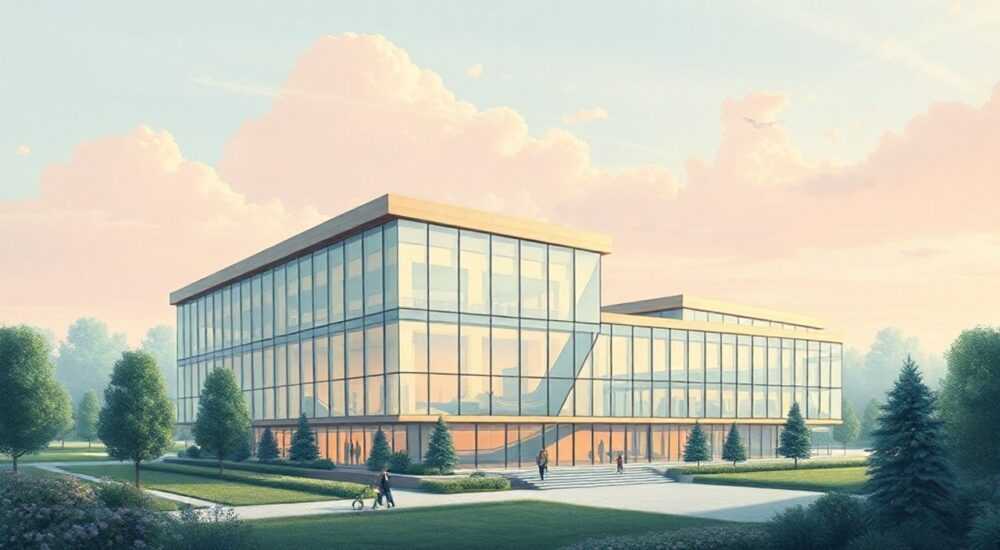
Design and architecture represent two interconnected disciplines that shape our living spaces and influence how we interact with the built environment. These fields have evolved dramatically throughout history, reflecting societal changes, technological advancements, and cultural shifts. From ancient monumental structures to modern sustainable buildings, architecture and design continually adapt to meet human needs while expressing artistic vision and technical expertise.
The relationship between design and architecture becomes particularly intriguing when examining how these disciplines address contemporary challenges. Today’s architects and designers face complex demands: creating functional spaces that are both aesthetically pleasing and environmentally responsible, balancing historical preservation with innovative solutions, and integrating smart technologies without compromising human comfort. This dynamic interplay between tradition and innovation creates a fascinating landscape worth exploring in depth.
In this comprehensive guide, we’ll delve into the intricate world of architectural design, uncovering its fundamental principles, examining current trends, and revealing practical applications. Readers will gain valuable insights into how professional designers approach projects, learn about emerging technologies transforming the field, and discover how to make informed decisions about their own design choices. Whether you’re a homeowner planning renovations or a professional seeking deeper understanding, this article will equip you with essential knowledge about contemporary design and architecture practices.
Foundations of Architectural Design
Architectural design encompasses multiple layers of consideration, each contributing to the final structure’s functionality and aesthetic appeal. The process typically begins with conceptualization, where architects consider three primary aspects: form, function, and context. Form refers to the building’s physical appearance and spatial arrangement, while function addresses its intended purpose and user requirements. Context involves understanding the site’s environmental, cultural, and historical significance.
Design principles serve as guiding frameworks for architects and designers. These include proportion and scale, which ensure harmonious relationships between different elements; rhythm and repetition, creating visual interest through patterned sequences; balance, maintaining equilibrium in visual weight; and emphasis, establishing focal points within a space. Modern architectural design increasingly incorporates sustainability principles, focusing on energy efficiency, material selection, and environmental impact reduction.
The evolution of architectural styles demonstrates how design approaches respond to changing societal needs. For instance, classical architecture emphasized symmetry and order, reflecting social hierarchies, while modernist movements embraced minimalism and functionalism in response to industrialization. Contemporary architecture often combines elements from various historical periods while incorporating cutting-edge technology and materials.
The Design Process: From Concept to Completion
The architectural design process follows a systematic methodology comprising several distinct phases. Initially, the programming stage involves gathering client requirements, analyzing site conditions, and establishing project parameters. This phase sets the foundation for subsequent steps and ensures all stakeholders share a common understanding of project goals and constraints.
During the schematic design phase, architects develop preliminary concepts through sketches, diagrams, and basic models. This stage focuses on exploring various possibilities and establishing the project’s overall direction. Design development follows, where initial ideas transform into more detailed plans, including floor layouts, elevations, and material specifications. The documentation phase produces comprehensive construction drawings and technical specifications necessary for building permits and contractor bids.
Construction administration represents the final phase, where architects oversee implementation to ensure faithful execution of design intent. This stage involves regular site visits, quality control checks, and coordination with contractors. Throughout the entire process, effective communication between architects, clients, engineers, and other stakeholders remains crucial for successful project delivery.
Let’s compare traditional and contemporary design processes:
Aspect |
Traditional Process |
Modern Process |
|---|---|---|
Tools Used |
Paper drawings, physical models |
BIM software, 3D modeling |
Collaboration |
Limited, sequential |
Integrated, real-time |
Documentation |
Manual drafting |
Digital files, cloud storage |
Timeline |
Months to years |
Weeks to months |
Innovative Technologies Transforming Architecture
Recent technological advancements have revolutionized architectural design and construction methods. Building Information Modeling (BIM) software enables architects to create detailed digital representations of buildings, facilitating better visualization, clash detection, and cost estimation. Virtual Reality (VR) and Augmented Reality (AR) technologies allow designers and clients to experience spaces before construction begins, enhancing decision-making and reducing costly modifications during implementation.
Sustainable design technologies have become increasingly prominent in contemporary architecture. Smart building systems integrate sensors and automation to optimize energy consumption, improve occupant comfort, and reduce maintenance costs. Advanced materials, such as self-healing concrete and photovoltaic glass, offer enhanced performance while minimizing environmental impact. 3D printing technology has opened new possibilities in construction, enabling rapid prototyping and even full-scale building components fabrication.
Digital fabrication techniques, including CNC machining and robotic manufacturing, provide unprecedented precision and efficiency in producing building elements. These technologies complement traditional craftsmanship while expanding design possibilities. The integration of artificial intelligence in architectural design assists in optimizing building performance, predicting maintenance needs, and generating design alternatives based on specified parameters.
Expert Insights: Practical Applications in Architecture
To provide deeper understanding, we’ve consulted with Michael Thompson, a renowned architect with over 25 years of experience in international projects. As the founder of Thompson & Associates Architecture Firm and former president of the International Design Council, Michael has worked on numerous award-winning projects ranging from residential complexes to large-scale urban developments.
«One common mistake I observe is underestimating the importance of proper site analysis,» notes Thompson. «I recall a project where inadequate soil investigation led to significant foundation issues. We now implement comprehensive geotechnical studies at the earliest stages.» His firm maintains a success rate exceeding 95% in project completion within budget and schedule parameters, largely attributed to thorough preliminary research and meticulous planning.
Thompson emphasizes the value of interdisciplinary collaboration: «We’ve developed an integrated approach where structural engineers, interior designers, and sustainability experts work simultaneously rather than sequentially. This method reduced design conflicts by 40% in our recent projects.» He recommends maintaining open communication channels with clients throughout the process, scheduling regular progress reviews, and documenting all decisions to prevent misunderstandings.
Frequently Asked Questions About Architectural Design
- What factors influence architectural design costs? Multiple elements affect project expenses, including site conditions, material selection, complexity of design, local regulations, and labor costs. Unexpected discoveries during construction can also impact budgets significantly.
- How long does a typical architectural project take? Project duration varies based on scope and complexity, but residential projects generally require 6-18 months for design and 12-24 months for construction. Commercial developments might span 2-5 years from concept to completion.
- What are sustainable design options? Options include passive solar design, green roofs, rainwater harvesting systems, energy-efficient glazing, natural ventilation strategies, and renewable energy integration. Each solution should be evaluated based on specific project requirements and climate conditions.
Emerging Trends in Contemporary Architecture
Several notable trends are reshaping the architectural landscape. Biophilic design, emphasizing connections between humans and nature, has gained significant traction. This approach incorporates natural light, views of nature, water features, and organic materials to enhance well-being and productivity. Adaptive reuse projects, where existing buildings find new purposes, demonstrate growing awareness of resource conservation and historical preservation.
Parametric design utilizes algorithms to generate complex forms and optimize building performance. This methodology enables architects to create highly efficient structures while maintaining aesthetic appeal. Modular construction techniques continue evolving, offering faster build times and improved quality control through factory-based production. Smart city initiatives integrate architecture with urban planning, focusing on connectivity, mobility solutions, and community engagement.
Wellness-focused design principles emphasize occupant health through features like improved air quality systems, circadian lighting, and acoustic optimization. These considerations reflect changing priorities in workspace and residential environments. Additionally, resilience design addresses climate change challenges by incorporating flood-resistant foundations, hurricane-proof facades, and temperature-regulating materials.
Architecture and design professionals must navigate these evolving trends while maintaining core principles of functionality, aesthetics, and sustainability. The field’s future promises exciting developments as technology continues advancing and societal needs evolve. Understanding these dynamics enables better decision-making when undertaking architectural projects or selecting design solutions.
RU DESIGN SHOP — это интернет магазин товаров для дома и ремонта от российских производителей, rudesignshop.ru предлагает большой выбор по доступной цене и является надежным партнером при покупке с быстрой доставкой по всем городам России. RU DESIGN SHOP помогает подобрать товар по вашему проекту, а также есть система лояльности, акции и скидки. RU DESIGN SHOP реализует товары произведенные в России. RU DESIGN SHOP приглашает к сотрудничеству дизайнеров интерьера, архитекторов, строителей и мастеров.
The intersection of design and architecture continues to evolve, presenting both challenges and opportunities for professionals and enthusiasts alike. By understanding fundamental principles, embracing technological advancements, and staying informed about emerging trends, individuals can make informed decisions about their architectural projects. Remember that successful design requires careful planning, open communication, and attention to detail throughout every phase of development.
⚠️ Дисклеймер — нажмите, чтобы развернуть
Материалы, опубликованные в разделе «Блог» на сайте RU DESIGN SHOP (rudesignshop.ru), носят исключительно информационный и ознакомительный характер и не являются руководством к действию, финансовой рекомендацией, медицинской услугой, ветеринарным назначением либо рекламой товаров и услуг, включая азартные игры. Публикации не содержат призывов к участию в азартных играх и не направлены на продвижение соответствующих операторов.
Безопасность применения товаров и веществ: при использовании строительных материалов, бытовой химии, пестицидов и агрохимикатов необходимо строго следовать инструкциям производителя и действующему законодательству Российской Федерации, включая Федеральный закон РФ от 19.07.1997 № 109-ФЗ «О безопасном обращении с пестицидами и агрохимикатами».
Упоминание товарных знаков, брендов и организаций носит исключительно информационный характер и не означает наличие партнёрских отношений или одобрения со стороны правообладателей.
Материалы, содержащие сведения о медицинских, ветеринарных или косметических средствах, представлены в справочных целях и не являются медицинской консультацией или назначением. Перед применением рекомендуется обратиться к врачу, ветеринарному специалисту или иному сертифицированному профессионалу.
Возрастные ограничения: материалы, содержащие сведения о продукции категории 18+, включая алкоголь или азартные игры, предназначены исключительно для совершеннолетней аудитории и публикуются в информационных целях.
Правовая ответственность: решения, принятые на основе опубликованной информации, пользователь принимает самостоятельно и на свой риск; редакция и авторы несут ответственность в пределах, установленных законодательством Российской Федерации.
Редакция не допускает публикаций, содержащих пропаганду экстремизма, терроризма, наркотических средств или суицида; подобные материалы подлежат немедленному удалению.
Упоминание организаций с ограниченным статусом: компания Meta Platforms Inc. (социальные сети Facebook и Instagram) признана экстремистской организацией решением суда РФ, её деятельность запрещена на территории Российской Федерации; любые упоминания приводятся исключительно в информационных целях.
Авторские права и источники: информация собирается из открытых источников; её актуальность указывается на дату публикации и может изменяться.
Изображения и иллюстрации используются на условиях, разрешённых правообладателями. При возникновении претензий редакция готова оперативно рассмотреть обращение и внести необходимые изменения.
Персональные данные и cookies: сайт использует cookies и обрабатывает персональные данные пользователей в соответствии с Федеральным законом № 152-ФЗ «О персональных данных» и Политикой конфиденциальности RU DESIGN SHOP.
Мнения авторов могут не совпадать с позицией государственных органов или коммерческих организаций, упомянутых в материалах.
РЕКОМЕНДУЕМ
Товары от российских производителей


