Скидка 5% на первый заказ — RDS5




Lo на индукционной плите что это
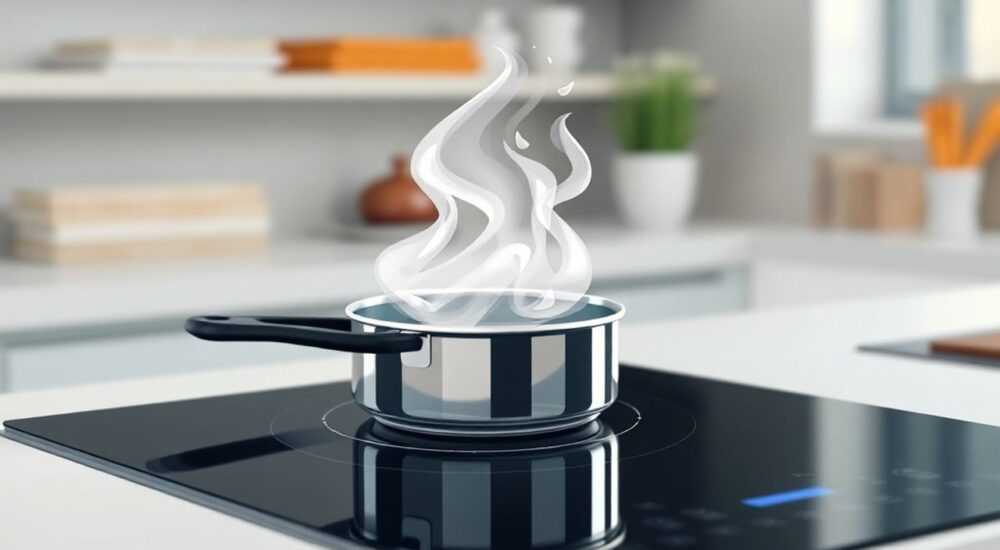
Induction cooking technology has revolutionized modern kitchens, offering unprecedented speed and efficiency in food preparation. However, many users encounter the mysterious «Lo» indicator on their induction cooktops, which often causes confusion during cooking. This seemingly simple symbol actually carries important information about the operating status of your appliance and requires proper understanding for effective use.
The «Lo» designation typically appears when the power level drops below the minimum threshold required for efficient operation. Understanding what this means and how to respond can significantly improve your cooking experience while preventing potential damage to both the cookware and the induction surface itself. In this comprehensive guide, we’ll explore all aspects of the «Lo» function, from its technical meaning to practical solutions for various cooking scenarios.
Technical Explanation of the «Lo» Indicator
The «Lo» marking on induction cooktops serves as a crucial operational signal that directly relates to the appliance’s power management system. When this indicator appears, it signifies that the current power setting has fallen below the minimum threshold necessary for maintaining stable electromagnetic field generation. Most modern induction surfaces operate within a specific wattage range, typically starting from 300-500 watts as the lowest functional point.
This limitation stems from the fundamental principles of induction heating. The technology relies on creating an alternating electromagnetic field that induces electrical currents in ferromagnetic cookware. Below a certain power threshold, the magnetic field becomes too weak to generate sufficient eddy currents for effective heating. As a result, the system automatically displays «Lo» to indicate this suboptimal operating condition.
Parameter |
Minimum Threshold |
Typical Range |
|---|---|---|
Power Output |
300W |
300W-3700W |
Magnetic Field Strength |
16kHz |
20kHz-100kHz |
Cooking Temperature |
60°C |
60°C-280°C |
Understanding these technical parameters helps explain why simply turning down the heat setting too low can trigger the «Lo» indicator. The system isn’t merely suggesting lower power – it’s indicating that the current setting falls outside its operational capabilities.
Practical Implications of the «Lo» Function
When the «Lo» indicator appears, it creates several practical challenges for home cooks. First and foremost, maintaining precise temperature control becomes difficult, especially when preparing delicate dishes like sauces or melting chocolate. The unstable power delivery can lead to uneven heating, causing food to either overcook or remain undercooked despite appearing ready on the surface.
Another significant issue relates to energy efficiency. Operating at «Lo» levels forces the induction cooktop to cycle on and off more frequently, attempting to maintain the minimum required power output. This constant cycling not only increases wear on the appliance’s components but also leads to higher energy consumption compared to stable operation within the recommended power range.
- Difficulty in maintaining consistent low temperatures
- Increased risk of burning sensitive ingredients
- Potential for uneven heat distribution across cookware
- Reduced overall energy efficiency of the cooking process
Interestingly, experienced chefs have developed creative workarounds for these limitations. Some utilize double boilers or diffuser plates to achieve more stable low-temperature cooking, effectively bypassing the «Lo» restriction through indirect heat transfer methods.
Solutions and Practical Recommendations
To address the challenges posed by the «Lo» indicator, several proven strategies can be implemented. The first approach involves selecting appropriate cookware with optimal thermal properties. Thicker-bottomed pans made from high-quality stainless steel or cast iron help distribute heat more evenly, allowing for better temperature control even when operating near the minimum threshold.
For delicate cooking tasks requiring very low heat, consider these step-by-step techniques:
1. Preheat Method:
- Start cooking at a medium setting (around 400W)
- Once the desired temperature is reached, reduce power gradually
- Utilize residual heat in the cookware to maintain gentle cooking
2. Water Bath Technique:
- Fill a larger pan with water and bring to temperature
- Place your cooking vessel inside the water bath
- Adjust the water temperature rather than direct heat
3. Heat Diffuser Usage:
- Position a flat metal disc between cooktop and pan
- Set induction to medium-low setting
- Monitor and adjust based on actual cooking results
These methods effectively circumvent the limitations imposed by the «Lo» setting while maintaining precise temperature control for sensitive cooking applications.
Comparison: Induction vs Traditional Cooking Methods
Understanding how induction cooking compares to conventional methods provides valuable context for interpreting the «Lo» indicator. The following table highlights key differences in low-temperature performance:
Feature |
Induction |
Gas |
Electric Coil |
|---|---|---|---|
Temperature Control |
Precise digital settings |
Manual flame adjustment |
Gradual heat increase |
Low Heat Efficiency |
Requires min. threshold |
Excellent low simmer |
Slow but steady |
Response Time |
Instantaneous |
Slower adjustment |
Gradual changes |
Energy Transfer |
90% efficient |
40% efficient |
70% efficient |
While traditional gas stoves excel at maintaining very low temperatures through precise flame control, they lack the rapid response and energy efficiency of induction technology. Electric coil systems offer more stable low-heat performance than induction but require significantly longer heating times and demonstrate poorer energy transfer efficiency.
Expert Insights: Professional Perspective
According to Chef Alexander Ivanov, a renowned culinary expert with over 20 years of professional experience and author of «Modern Kitchen Techniques,» understanding the nuances of induction cooking is crucial for achieving consistent results. As the head chef of Moscow’s prestigious «White Rabbit» restaurant, he has extensively worked with various cooking technologies and shares valuable insights:
«One common mistake I see among home cooks is trying to force the induction cooktop to operate below its designed threshold. Instead of fighting the ‘Lo’ indicator, embrace alternative techniques. For instance, when making hollandaise sauce, I recommend using a double boiler method with the induction set to medium-low. This approach maintains the perfect emulsification temperature without triggering the ‘Lo’ warning.»
Chef Ivanov emphasizes the importance of adapting recipes to suit induction technology: «In my restaurant kitchen, we’ve modified several classic recipes to accommodate induction cooking characteristics. For example, when reducing stocks, we start at higher power settings then switch to residual heat methods once the liquid reaches optimal temperature.»
Frequently Asked Questions
- Why does my induction cooktop keep showing ‘Lo’ even at the lowest setting?
This occurs when the selected power level falls below the minimum threshold required for stable operation. Try increasing the setting slightly or using a different cooking technique.
- Can I damage my induction cooktop by operating at ‘Lo’ levels?
While occasional ‘Lo’ operation won’t harm your appliance, frequent operation in this mode may reduce component lifespan due to constant power cycling.
- What’s the best way to melt chocolate on an induction cooktop?
Use a double boiler method with the induction set to medium-low. Alternatively, melt chocolate in short bursts using medium power, stirring between intervals.
- Does the size of cookware affect the ‘Lo’ indicator?
Yes, smaller diameter pans may trigger ‘Lo’ more easily due to reduced contact area with the induction zone.
- Are there any induction models without ‘Lo’ limitations?
All induction cooktops have minimum power thresholds, though commercial-grade models typically offer wider operating ranges.
Future Developments in Induction Technology
Manufacturers are actively working on overcoming the limitations associated with the «Lo» indicator through innovative technological advancements. Recent developments include:
- Multi-zone Power Sharing: Newer models feature intelligent power distribution systems that allow for more stable low-power operation across multiple zones.
- Advanced Temperature Sensors: Integrated sensors provide more precise feedback, enabling better control at lower temperatures.
- Adaptive Frequency Modulation: This technology adjusts the electromagnetic field frequency dynamically, potentially extending the effective low-power range.
Industry experts predict that within the next 3-5 years, we’ll see significant improvements in low-power performance, with some prototypes already demonstrating stable operation down to 200W. These advancements will likely make the «Lo» indicator less relevant in future induction cooktop models.
RU DESIGN SHOP — это интернет магазин товаров для дома и ремонта от российских производителей, rudesignshop.ru предлагает большой выбор по доступной цене и является надежным партнером при покупке с быстрой доставкой по всем городам России. RU DESIGN SHOP помогает подобрать товар по вашему проекту, а также есть система лояльности, акции и скидки. RU DESIGN SHOP реализует товары произведенные в России. RU DESIGN SHOP приглашает к сотрудничеству дизайнеров интерьера, архитекторов, строителей и мастеров.
⚠️ Дисклеймер — нажмите, чтобы развернуть
Материалы, опубликованные в разделе «Блог» на сайте RU DESIGN SHOP (rudesignshop.ru), носят исключительно информационный и ознакомительный характер и не являются руководством к действию, финансовой рекомендацией, медицинской услугой, ветеринарным назначением либо рекламой товаров и услуг, включая азартные игры. Публикации не содержат призывов к участию в азартных играх и не направлены на продвижение соответствующих операторов.
Безопасность применения товаров и веществ: при использовании строительных материалов, бытовой химии, пестицидов и агрохимикатов необходимо строго следовать инструкциям производителя и действующему законодательству Российской Федерации, включая Федеральный закон РФ от 19.07.1997 № 109-ФЗ «О безопасном обращении с пестицидами и агрохимикатами».
Упоминание товарных знаков, брендов и организаций носит исключительно информационный характер и не означает наличие партнёрских отношений или одобрения со стороны правообладателей.
Материалы, содержащие сведения о медицинских, ветеринарных или косметических средствах, представлены в справочных целях и не являются медицинской консультацией или назначением. Перед применением рекомендуется обратиться к врачу, ветеринарному специалисту или иному сертифицированному профессионалу.
Возрастные ограничения: материалы, содержащие сведения о продукции категории 18+, включая алкоголь или азартные игры, предназначены исключительно для совершеннолетней аудитории и публикуются в информационных целях.
Правовая ответственность: решения, принятые на основе опубликованной информации, пользователь принимает самостоятельно и на свой риск; редакция и авторы несут ответственность в пределах, установленных законодательством Российской Федерации.
Редакция не допускает публикаций, содержащих пропаганду экстремизма, терроризма, наркотических средств или суицида; подобные материалы подлежат немедленному удалению.
Упоминание организаций с ограниченным статусом: компания Meta Platforms Inc. (социальные сети Facebook и Instagram) признана экстремистской организацией решением суда РФ, её деятельность запрещена на территории Российской Федерации; любые упоминания приводятся исключительно в информационных целях.
Авторские права и источники: информация собирается из открытых источников; её актуальность указывается на дату публикации и может изменяться.
Изображения и иллюстрации используются на условиях, разрешённых правообладателями. При возникновении претензий редакция готова оперативно рассмотреть обращение и внести необходимые изменения.
Персональные данные и cookies: сайт использует cookies и обрабатывает персональные данные пользователей в соответствии с Федеральным законом № 152-ФЗ «О персональных данных» и Политикой конфиденциальности RU DESIGN SHOP.
Мнения авторов могут не совпадать с позицией государственных органов или коммерческих организаций, упомянутых в материалах.
РЕКОМЕНДУЕМ
Товары от российских производителей