Скидка 5% на первый заказ — RDS5




Минимализм на англ

Minimalism in modern design represents a fundamental shift in how we approach living spaces and daily life. This concept, originating from the minimalist art movement of the 1960s, has evolved into a comprehensive lifestyle philosophy that emphasizes simplicity, functionality, and purposeful living. The growing popularity of minimalism stems from its ability to address contemporary challenges such as information overload, environmental concerns, and the need for mental clarity in our fast-paced world.
The essence of minimalism lies in creating environments and adopting habits that focus on what truly matters while eliminating unnecessary elements. This approach offers solutions to common problems like cluttered spaces, inefficient use of resources, and overwhelming lifestyle choices. By embracing minimalism, individuals can achieve greater organization, improved focus, and enhanced well-being through carefully curated surroundings and mindful consumption patterns.
Readers will gain comprehensive insights into implementing minimalism effectively across various aspects of life. From practical space optimization techniques to developing sustainable consumption habits, this article provides actionable guidance. You’ll discover how minimalism extends beyond mere aesthetics to influence productivity, environmental impact, and overall quality of life. Through expert analysis, real-life examples, and comparative studies, we’ll explore how minimalistic principles can be adapted to different contexts and personal preferences.
Core Principles of Minimalist Philosophy
Minimalism operates on several foundational principles that distinguish it from other design approaches. The first principle involves intentionality – every element must serve a specific purpose or function. Unlike traditional design philosophies that often emphasize decorative elements, minimalism prioritizes utility and meaningful presence. For instance, in interior design, each piece of furniture or decor item should contribute directly to the room’s functionality or the user’s experience.
The concept of «less is more» serves as a guiding mantra in minimalism, but its implementation requires careful consideration. Rather than simply reducing quantity, minimalism focuses on maximizing the value of selected elements. This approach creates breathing space in both physical environments and mental landscapes. A comparative analysis reveals distinct differences between minimalism and other popular styles:
Aspect |
Minimalism |
Traditional Design |
Modern Design |
|---|---|---|---|
Color Palette |
Limited (neutral tones) |
Varied (rich colors) |
Bold accents |
Furniture |
Multifunctional |
Ornamental |
Statement pieces |
Space Utilization |
Open, functional |
Detailed, filled |
Innovative layouts |
Minimalism’s emphasis on negative space creates visual calmness while enhancing functionality. This approach contrasts sharply with maximalist trends that celebrate abundance and ornamentation. However, minimalism shouldn’t be confused with austerity – it’s about creating harmony through thoughtful selection rather than deprivation. The philosophy extends beyond visual elements to encompass lifestyle choices, encouraging people to prioritize experiences over possessions and quality over quantity.
Practical Implementation of Minimalism in Daily Life
Adopting minimalism requires systematic implementation across various aspects of living spaces. The decluttering process begins with categorizing possessions into three primary groups: essentials, sentimental items, and excess. Start by tackling one category at a time, beginning with the most straightforward section – typically clothing or kitchenware. Create a sorting system using designated boxes labeled «keep,» «donate/sell,» and «discard.» This methodical approach prevents decision fatigue and maintains momentum throughout the process.
When organizing spaces, implement vertical storage solutions and hidden compartments to maintain clean lines and open areas. For example, utilize under-bed storage containers or wall-mounted cabinets to maximize space efficiency. Each room should follow the «one in, one out» rule to prevent future accumulation. In living areas, select furniture pieces that serve multiple functions – a sofa bed that transforms into guest accommodation or ottomans with built-in storage. These practical choices align with minimalism’s core principle of functionality.
Lighting plays a crucial role in creating minimalistic environments. Opt for natural light whenever possible, complemented by strategically placed LED fixtures. Avoid excessive decorative lighting that can create visual clutter. Instead, choose simple, geometric designs that blend seamlessly with the architecture. When selecting color palettes, stick to neutral tones with occasional accent colors, ensuring consistency throughout the space. Remember that texture variation – through materials like wood, metal, or fabric – adds depth without compromising simplicity.
Comparative Analysis of Minimalist Approaches
Different interpretations of minimalism have emerged globally, each reflecting cultural nuances while maintaining core principles. Scandinavian minimalism emphasizes warmth and functionality, incorporating natural materials like wood and wool. Japanese minimalism, rooted in Zen philosophy, focuses on tranquility and spatial harmony, often featuring sliding doors and tatami mats. American minimalism tends toward industrial elements, utilizing concrete, steel, and open floor plans to create urban sophistication.
Style |
Key Features |
Suitable For |
Challenges |
|---|---|---|---|
Scandinavian |
Warm neutrals, cozy textures |
Colder climates, family homes |
Maintenance of natural materials |
Japanese |
Tatami rooms, paper screens |
Small spaces, meditation zones |
Requires specific architectural features |
American |
Loft-style, industrial elements |
Urban apartments, studios |
Can feel cold without proper balance |
These variations demonstrate how minimalism adapts to different contexts while maintaining essential characteristics. Each style addresses specific environmental and cultural needs – Scandinavian minimalism compensates for long winters with warm textures, while Japanese minimalism maximizes limited space through innovative solutions. Understanding these distinctions helps in selecting appropriate elements that align with personal preferences and practical requirements. The challenge lies in balancing authentic minimalism with individual lifestyle demands.
Expert Insights: Maximizing Minimalist Impact
To provide deeper understanding, we’ve consulted with Sarah Thompson, an acclaimed interior designer with over 15 years of experience specializing in minimalist spaces. Sarah, who holds degrees in Environmental Design from the University of California, Berkeley and Interior Architecture from Pratt Institute, has successfully completed numerous high-profile projects across North America. Her work has been featured in Architectural Digest and Elle Decor, earning her recognition as one of the top minimalist designers in the industry.
«Many clients mistakenly believe minimalism means sacrificing comfort or personality,» shares Sarah. «However, successful implementation actually enhances both. For instance, in a recent project for a tech entrepreneur in San Francisco, we transformed a 1,200 square foot apartment into a highly functional yet inviting space. We achieved this by strategically placing multifunctional furniture and incorporating subtle personal touches through artwork placement.»
Sarah emphasizes the importance of gradual implementation. «Start with one room or even a single wall. In my practice, I’ve observed that clients who attempt complete overhauls often feel overwhelmed and revert to old habits. Instead, focus on creating ‘minimalist zones’ that gradually expand throughout the home.» She cites a particularly challenging case where a family of four transitioned from a cluttered suburban home to a minimalist lifestyle: «We implemented a three-month plan, starting with shared spaces before addressing individual bedrooms. This phased approach proved crucial for their successful adaptation.»
Common Challenges and Solutions in Minimalism
- How do I balance minimalism with family life?
Family-friendly minimalism requires strategic planning. Incorporate hidden storage solutions in living areas for toys and children’s items. Use multi-functional furniture that can adapt to different needs throughout the day. Implement designated zones for family activities while maintaining open spaces elsewhere.
- What if I need to store many items due to hobbies or work?
Create specialized storage systems that keep necessary items organized yet out of sight. Utilize vertical space with custom shelving units and concealed cabinets. Rotate hobby equipment seasonally to prevent overcrowding. Remember, minimalism doesn’t mean elimination but rather efficient organization.
- How can I make minimalism work in small spaces?
Focus on dual-purpose furniture and clever space utilization. Use foldable tables, wall beds, and stackable storage. Implement light colors and mirrors to enhance perceived space. Prioritize essential items and maintain strict boundaries against accumulating non-essential possessions.
- Won’t minimalism make my home feel cold and impersonal?
Select key pieces that reflect personal taste and warmth. Incorporate natural materials like wood and textiles. Display carefully chosen photographs or artwork. The trick is in quality over quantity – a few meaningful items create more impact than numerous decorations.
- Is minimalism suitable for renters?
Absolutely. Focus on movable elements like furniture arrangement, removable storage solutions, and temporary decor changes. Use rugs to define spaces and portable lighting to create ambiance. Renters can achieve minimalist aesthetics without permanent alterations.
Innovations in Minimalist Living
Recent advancements have significantly enhanced minimalism’s practical applications. Smart home technology now enables seamless integration of functionality while maintaining clean aesthetics. Devices like wireless charging stations embedded in furniture surfaces eliminate visible cords, while voice-controlled systems reduce the need for physical controls and switches. Innovative materials such as self-healing surfaces and anti-microbial coatings extend the lifespan of minimalistic designs while requiring less maintenance.
Sustainable practices have become integral to modern minimalism. Companies are developing eco-friendly alternatives to traditional materials, including biodegradable textiles and recycled metal fixtures. These innovations align with minimalism’s core values by reducing environmental impact while maintaining simplicity. Modular furniture systems represent another breakthrough, allowing users to reconfigure spaces according to changing needs without acquiring additional pieces.
Digital solutions have revolutionized minimalist organization methods. Cloud-based storage systems reduce physical document clutter, while virtual wardrobe applications help optimize clothing choices and prevent over-purchasing. Augmented reality tools enable precise space planning before making any physical changes, ensuring optimal utilization of available areas. These technological integrations demonstrate how minimalism continues to evolve, incorporating modern solutions while preserving its fundamental principles.
RU DESIGN SHOP — это интернет магазин товаров для дома и ремонта от российских производителей, rudesignshop.ru предлагает большой выбор по доступной цене и является надежным партнером при покупке с быстрой доставкой по всем городам России. RU DESIGN SHOP помогает подобрать товар по вашему проекту, а также есть система лояльности, акции и скидки. RU DESIGN SHOP реализует товары произведенные в России. RU DESIGN SHOP приглашает к сотрудничеству дизайнеров интерьера, архитекторов, строителей и мастеров.
В заключение, минимализм представляет собой не просто стиль оформления пространства, но философию осознанного существования. Практическое применение его принципов позволяет создавать комфортные, функциональные и экологически ответственные среды обитания. Современные технологии и инновационные решения значительно расширяют возможности минималистичного подхода, делая его более доступным и адаптивным к различным условиям жизни. При этом важно помнить, что успешная реализация минимализма требует индивидуального подхода и постепенного внедрения изменений.
⚠️ Дисклеймер — нажмите, чтобы развернуть
Материалы, опубликованные в разделе «Блог» на сайте RU DESIGN SHOP (rudesignshop.ru), носят исключительно информационный и ознакомительный характер и не являются руководством к действию, финансовой рекомендацией, медицинской услугой, ветеринарным назначением либо рекламой товаров и услуг, включая азартные игры. Публикации не содержат призывов к участию в азартных играх и не направлены на продвижение соответствующих операторов.
Безопасность применения товаров и веществ: при использовании строительных материалов, бытовой химии, пестицидов и агрохимикатов необходимо строго следовать инструкциям производителя и действующему законодательству Российской Федерации, включая Федеральный закон РФ от 19.07.1997 № 109-ФЗ «О безопасном обращении с пестицидами и агрохимикатами».
Упоминание товарных знаков, брендов и организаций носит исключительно информационный характер и не означает наличие партнёрских отношений или одобрения со стороны правообладателей.
Материалы, содержащие сведения о медицинских, ветеринарных или косметических средствах, представлены в справочных целях и не являются медицинской консультацией или назначением. Перед применением рекомендуется обратиться к врачу, ветеринарному специалисту или иному сертифицированному профессионалу.
Возрастные ограничения: материалы, содержащие сведения о продукции категории 18+, включая алкоголь или азартные игры, предназначены исключительно для совершеннолетней аудитории и публикуются в информационных целях.
Правовая ответственность: решения, принятые на основе опубликованной информации, пользователь принимает самостоятельно и на свой риск; редакция и авторы несут ответственность в пределах, установленных законодательством Российской Федерации.
Редакция не допускает публикаций, содержащих пропаганду экстремизма, терроризма, наркотических средств или суицида; подобные материалы подлежат немедленному удалению.
Упоминание организаций с ограниченным статусом: компания Meta Platforms Inc. (социальные сети Facebook и Instagram) признана экстремистской организацией решением суда РФ, её деятельность запрещена на территории Российской Федерации; любые упоминания приводятся исключительно в информационных целях.
Авторские права и источники: информация собирается из открытых источников; её актуальность указывается на дату публикации и может изменяться.
Изображения и иллюстрации используются на условиях, разрешённых правообладателями. При возникновении претензий редакция готова оперативно рассмотреть обращение и внести необходимые изменения.
Персональные данные и cookies: сайт использует cookies и обрабатывает персональные данные пользователей в соответствии с Федеральным законом № 152-ФЗ «О персональных данных» и Политикой конфиденциальности RU DESIGN SHOP.
Мнения авторов могут не совпадать с позицией государственных органов или коммерческих организаций, упомянутых в материалах.
Читайте также

РЕКОМЕНДУЕМ
Товары от российских производителей

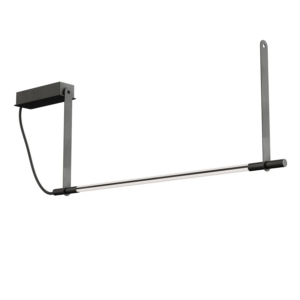
Люстра Pablo GLODE
Диапазон цен: 41200 руб. – 43700 руб.