Скидка 5% на первый заказ — RDS5




Памятник архитектуры на английском
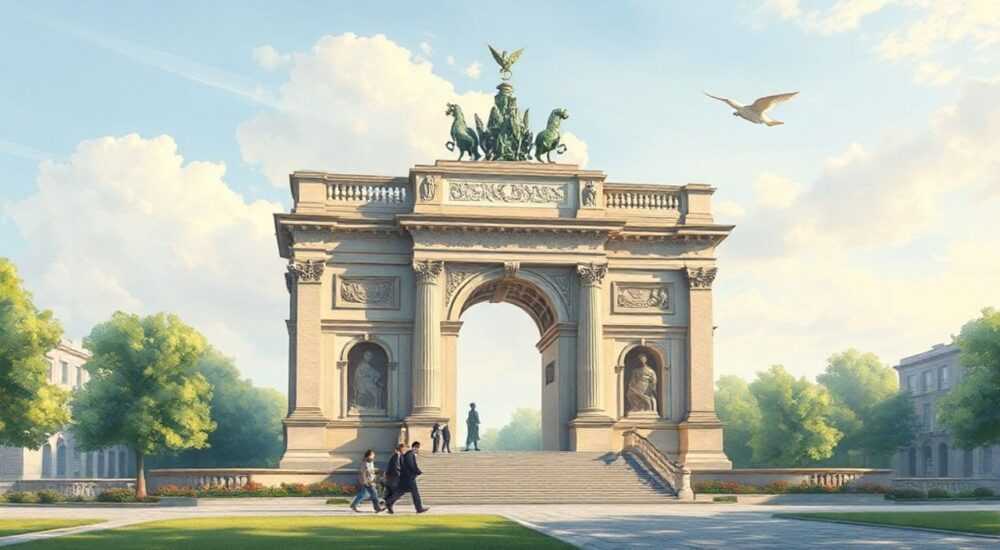
Architectural monuments represent an invaluable part of our cultural heritage, serving as tangible links to the past while shaping our present and future. These remarkable structures not only demonstrate exceptional craftsmanship but also tell compelling stories about different historical periods and civilizations. From ancient wonders like the Egyptian pyramids to modern architectural masterpieces, each monument carries unique significance that transcends time and geography.
Understanding Architectural Heritage
What makes a building qualify as an architectural monument? The answer lies in its historical, cultural, and artistic value. According to UNESCO criteria, these structures must demonstrate outstanding universal value, maintain authenticity, and have adequate protection measures in place. Consider this: over 1,100 World Heritage Sites exist globally, with approximately 40% being architectural monuments, showcasing humanity’s diverse architectural achievements throughout history.
The preservation of these monuments presents significant challenges. Environmental factors, urban development pressures, and natural disasters constantly threaten their existence. For instance, the Notre-Dame Cathedral fire in 2019 highlighted both the vulnerability of these structures and the global commitment to their restoration. This incident sparked worldwide discussions about balancing modernization needs with heritage conservation.
Readers will gain comprehensive insights into architectural monuments’ classification, preservation methods, and their role in contemporary society. We’ll explore successful restoration projects, examine technological innovations in conservation, and analyze how these monuments contribute to cultural identity and tourism.
Classification and Significance of Architectural Monuments
Architectural monuments fall into distinct categories based on their historical period and purpose. Ancient monuments like Stonehenge and the Parthenon represent early human architectural achievements. Religious structures such as cathedrals, mosques, and temples showcase spiritual devotion through architecture. Residential monuments, including palaces and traditional houses, reflect social hierarchies and domestic life across different eras.
Let’s compare three major types of architectural monuments:
Type |
Characteristics |
Preservation Challenges |
|---|---|---|
Religious Structures |
Ornate decorations, symbolic elements |
Structural integrity, religious use conflicts |
Residential Buildings |
Reflect lifestyle, materials vary by region |
Adaptation for modern use, maintenance costs |
Public Architecture |
Grand scale, civic importance |
Funding for upkeep, changing urban needs |
These classifications help experts develop appropriate conservation strategies tailored to each monument’s unique characteristics and challenges.
Modern Approaches to Monument Preservation
Contemporary preservation techniques blend traditional craftsmanship with cutting-edge technology. Laser scanning, 3D modeling, and drone surveys have revolutionized how experts document and monitor architectural monuments. These technologies enable precise documentation and help identify potential structural issues before they become critical.
Consider the case of Venice’s historic buildings. Experts implemented an innovative monitoring system using fiber-optic sensors embedded in building foundations. This allows real-time tracking of structural movements caused by rising sea levels and tourist traffic. Similarly, the digital reconstruction of war-damaged monuments in Syria demonstrates how technology can preserve cultural heritage even when physical structures are compromised.
However, preservation efforts often face common pitfalls. Over-restoration can erase historical authenticity, while inadequate funding frequently hampers long-term conservation plans. Successful projects typically involve collaboration between multiple stakeholders, including government agencies, private investors, and local communities.
Expert Insights: Practical Preservation Strategies
Dr. Emily Thompson, a renowned architectural conservation specialist with over 25 years of experience, shares valuable insights from her extensive work across Europe and Asia. Holding a PhD in Architectural History from Cambridge University and having led several UNESCO restoration projects, Dr. Thompson emphasizes the importance of adaptive reuse in monument preservation.
«One of my most challenging projects involved converting a 19th-century textile factory into a modern cultural center,» explains Dr. Thompson. «We maintained 85% of the original structure while incorporating sustainable technologies. The key was understanding the building’s historical significance while addressing contemporary needs.»
She recommends implementing phased conservation plans, starting with urgent structural repairs before moving to cosmetic restorations. Her approach always includes community engagement, ensuring local populations feel connected to preservation efforts. «When people understand a monument’s story and its relevance to their lives, they become active participants in its protection,» she notes.
Common Questions About Architectural Monuments
- How are architectural monuments legally protected? International conventions like the 1972 World Heritage Convention provide frameworks for protection. Additionally, national laws and local regulations establish specific safeguarding measures.
- Who funds monument preservation? Funding typically comes from multiple sources: government allocations, private donations, tourism revenue, and international grants.
- Can monuments be modified? Modifications are possible but strictly regulated. Any changes must preserve the monument’s historical integrity and require approval from conservation authorities.
Innovations Shaping Monument Conservation
Recent developments in monument preservation include groundbreaking technologies and methodologies. Nanomaterials now play a crucial role in stone conservation, penetrating deep into surfaces without altering their appearance. Biotechnology applications, such as using specific bacteria to clean stone surfaces, offer environmentally friendly alternatives to chemical treatments.
Digital twin technology has emerged as a powerful tool for monument management. By creating virtual replicas of architectural monuments, experts can simulate various scenarios, from weather impact to restoration options. This approach proved particularly valuable during the pandemic when virtual access became essential for both research and public engagement.
Artificial intelligence contributes significantly to preventive conservation. Machine learning algorithms analyze environmental data to predict potential threats, allowing for proactive rather than reactive measures. These innovations not only enhance preservation efficiency but also make conservation more accessible to wider audiences through virtual experiences.
Practical Applications and Future Perspectives
The integration of architectural monuments into modern urban landscapes presents both opportunities and challenges. Successful examples include repurposing industrial heritage sites into cultural hubs or transforming historical buildings into boutique hotels. These adaptive reuse projects demonstrate how architectural monuments can remain economically viable while preserving their historical value.
Looking ahead, climate change poses significant threats to monument preservation. Rising temperatures, increased rainfall, and extreme weather events require new conservation strategies. Some experts propose creating «climate-proof» buffer zones around sensitive monuments, combining traditional knowledge with modern engineering solutions.
Community involvement continues to evolve through digital platforms. Virtual volunteering programs allow global participation in documentation projects, while augmented reality apps provide immersive educational experiences. These developments suggest a future where architectural monuments become more accessible and better protected through collaborative efforts.
RU DESIGN SHOP — это интернет магазин товаров для дома и ремонта от российских производителей, rudesignshop.ru предлагает большой выбор по доступной цене и является надежным партнером при покупке с быстрой доставкой по всем городам России. RU DESIGN SHOP помогает подобрать товар по вашему проекту, а также есть система лояльности, акции и скидки. RU DESIGN SHOP реализует товары произведенные в России. RU DESIGN SHOP приглашает к сотрудничеству дизайнеров интерьера, архитекторов, строителей и мастеров.
⚠️ Дисклеймер — нажмите, чтобы развернуть
Материалы, опубликованные в разделе «Блог» на сайте RU DESIGN SHOP (rudesignshop.ru), носят исключительно информационный и ознакомительный характер и не являются руководством к действию, финансовой рекомендацией, медицинской услугой, ветеринарным назначением либо рекламой товаров и услуг, включая азартные игры. Публикации не содержат призывов к участию в азартных играх и не направлены на продвижение соответствующих операторов.
Безопасность применения товаров и веществ: при использовании строительных материалов, бытовой химии, пестицидов и агрохимикатов необходимо строго следовать инструкциям производителя и действующему законодательству Российской Федерации, включая Федеральный закон РФ от 19.07.1997 № 109-ФЗ «О безопасном обращении с пестицидами и агрохимикатами».
Упоминание товарных знаков, брендов и организаций носит исключительно информационный характер и не означает наличие партнёрских отношений или одобрения со стороны правообладателей.
Материалы, содержащие сведения о медицинских, ветеринарных или косметических средствах, представлены в справочных целях и не являются медицинской консультацией или назначением. Перед применением рекомендуется обратиться к врачу, ветеринарному специалисту или иному сертифицированному профессионалу.
Возрастные ограничения: материалы, содержащие сведения о продукции категории 18+, включая алкоголь или азартные игры, предназначены исключительно для совершеннолетней аудитории и публикуются в информационных целях.
Правовая ответственность: решения, принятые на основе опубликованной информации, пользователь принимает самостоятельно и на свой риск; редакция и авторы несут ответственность в пределах, установленных законодательством Российской Федерации.
Редакция не допускает публикаций, содержащих пропаганду экстремизма, терроризма, наркотических средств или суицида; подобные материалы подлежат немедленному удалению.
Упоминание организаций с ограниченным статусом: компания Meta Platforms Inc. (социальные сети Facebook и Instagram) признана экстремистской организацией решением суда РФ, её деятельность запрещена на территории Российской Федерации; любые упоминания приводятся исключительно в информационных целях.
Авторские права и источники: информация собирается из открытых источников; её актуальность указывается на дату публикации и может изменяться.
Изображения и иллюстрации используются на условиях, разрешённых правообладателями. При возникновении претензий редакция готова оперативно рассмотреть обращение и внести необходимые изменения.
Персональные данные и cookies: сайт использует cookies и обрабатывает персональные данные пользователей в соответствии с Федеральным законом № 152-ФЗ «О персональных данных» и Политикой конфиденциальности RU DESIGN SHOP.
Мнения авторов могут не совпадать с позицией государственных органов или коммерческих организаций, упомянутых в материалах.
РЕКОМЕНДУЕМ
Товары от российских производителей