Скидка 5% на первый заказ — RDS5



Промышленный дизайн на английском
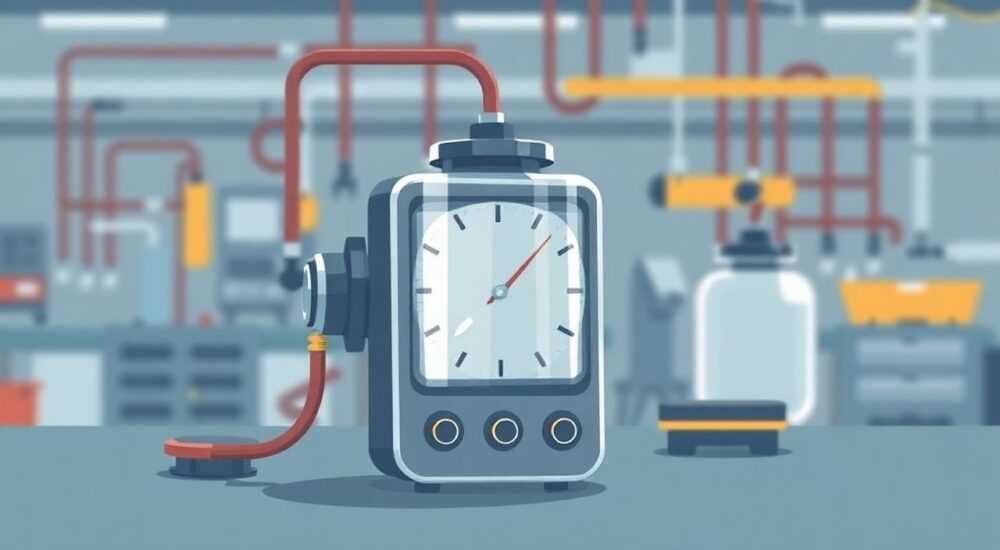
Industrial design plays a crucial role in shaping the modern world around us. From everyday household items to complex machinery, this discipline combines functionality with aesthetics to create products that not only work efficiently but also appeal to users. In today’s competitive market, where consumer expectations continually evolve, understanding the principles and applications of industrial design becomes essential for businesses seeking innovation and differentiation.
Understanding Industrial Design: Definition and Importance
Industrial design represents the intersection of art, business, and engineering. It encompasses the process of creating products that are both functional and visually appealing while considering manufacturing constraints and market demands. The field addresses numerous challenges, including sustainability concerns, technological advancements, and changing consumer preferences. Companies investing in professional industrial design often gain significant competitive advantages through improved product usability, reduced production costs, and enhanced brand recognition.
Let’s consider a practical example: the evolution of smartphone design. Modern devices demonstrate how industrial designers balance technical components with ergonomic considerations and aesthetic appeal. This case illustrates why grasping industrial design principles is vital for anyone involved in product development or manufacturing.
Throughout this article, we’ll explore various aspects of industrial design, including its historical development, current trends, and future prospects. Readers will gain comprehensive insights into design methodologies, learn about successful implementation strategies, and discover how to apply these principles effectively in their projects.
The Evolution of Industrial Design: Historical Perspective
The journey of industrial design began during the Industrial Revolution when mass production techniques emerged. Early designers focused primarily on functionality, with aesthetics taking a secondary role. However, as manufacturing capabilities improved, the relationship between form and function became more sophisticated.
Time Period |
Key Characteristics |
Notable Innovations |
|---|---|---|
1920s-1940s |
Streamlining, Art Deco influence |
Vacuum cleaners, automobiles |
1950s-1970s |
Modernism, functional minimalism |
Home appliances, office equipment |
1980s-present |
User-centered design, digital integration |
Smart devices, wearable technology |
Today’s industrial design landscape reflects a complex interplay of factors. Designers must consider environmental impact, social responsibility, and technological innovation while maintaining commercial viability. This evolution demonstrates how industrial design continuously adapts to societal needs and technological progress.
Core Principles of Effective Industrial Design
Successful industrial design relies on several fundamental principles that guide the creative process. First and foremost, functionality remains paramount – every designed element should serve a specific purpose. Ergonomics plays a crucial role, ensuring products fit comfortably with human use patterns. Aesthetic appeal, while subjective, follows established design principles such as proportion, balance, and harmony.
- Functionality: Products must perform their intended purpose efficiently
- Ergonomics: Designs should accommodate natural human movements and interactions
- Aesthetics: Visual appeal influences user perception and product desirability
- Sustainability: Eco-friendly materials and production methods are increasingly important
- Manufacturability: Designs must be feasible to produce at scale
These principles work together to create products that satisfy both practical needs and emotional connections. For instance, a well-designed chair must support proper posture (functionality), feel comfortable for extended use (ergonomics), look attractive in various settings (aesthetics), use sustainable materials (environmental responsibility), and be cost-effective to manufacture (commercial viability).
Innovative Approaches in Modern Industrial Design
Contemporary industrial design embraces new methodologies and technologies that revolutionize traditional practices. Computer-Aided Design (CAD) software enables precise modeling and rapid prototyping, significantly reducing development time. Virtual reality tools allow designers to simulate user experiences and test product functionality before physical production begins.
One notable trend is the integration of smart technologies into everyday objects. Consider the transformation of home lighting systems: from simple light bulbs to sophisticated smart lighting solutions that adapt to user preferences and environmental conditions. This evolution demonstrates how industrial designers incorporate advanced electronics and connectivity features while maintaining intuitive user interfaces.
Another significant development is the emphasis on circular design principles. Products are now designed with end-of-life considerations in mind, facilitating easier recycling and component reuse. This approach aligns with growing environmental awareness and regulatory requirements, making it both an ethical and practical necessity.
Comparing Traditional and Modern Design Methodologies
The differences between traditional and contemporary industrial design approaches become apparent when examining various project parameters. These distinctions affect everything from initial concept development to final production implementation.
Aspect |
Traditional Approach |
Modern Approach |
|---|---|---|
Design Tools |
Physical sketches, clay models |
Digital modeling, VR simulations |
Prototyping |
Manual construction |
3D printing, rapid prototyping |
Collaboration |
In-person meetings |
Cloud-based platforms |
Feedback Cycle |
Weeks to months |
Real-time iterations |
While traditional methods still hold value in certain contexts, modern approaches offer significant advantages in speed, flexibility, and precision. This transition doesn’t represent a complete replacement but rather an evolution that incorporates the best elements from both methodologies.
Expert Insights: Interview with Michael Thompson
To provide deeper understanding, we spoke with Michael Thompson, an accomplished industrial designer with over 20 years of experience. Having worked with major international brands and received multiple design awards, Michael shares valuable perspectives on current industry trends.
«One common mistake I see is companies trying to implement cutting-edge technology without considering practical usability,» explains Thompson. «For example, I worked on a smart kitchen appliance project where the client wanted to include every possible feature. We had to carefully balance technological sophistication with user-friendliness.»
Thompson emphasizes the importance of iterative testing: «We always conduct multiple rounds of user testing, even for seemingly simple products. During one project, early testing revealed that our handle design caused wrist strain after extended use – a problem we wouldn’t have caught otherwise.»
Frequently Asked Questions About Industrial Design
- What skills are essential for industrial designers?
- Strong sketching abilities
- Proficiency in CAD software
- Understanding of manufacturing processes
- User research and analysis capabilities
- How does industrial design impact product success?
Well-executed industrial design can significantly enhance market acceptance by improving usability, reducing production costs, and creating emotional connections with users.
- What’s the difference between industrial design and product design?
While overlapping, industrial design focuses more on mass-produced items and manufacturing considerations, whereas product design often includes bespoke or limited-production pieces.
Future Trends and Technological Advancements
Looking ahead, several emerging trends promise to reshape industrial design practices. Artificial Intelligence (AI) integration allows for more sophisticated design optimization and predictive analysis. Advanced materials, such as self-healing polymers and smart textiles, open new possibilities for product functionality.
Sustainability continues to drive innovation, with biodegradable plastics and carbon-neutral manufacturing processes gaining prominence. The Internet of Things (IoT) expands product capabilities while presenting new challenges in interface design and data management. These developments require designers to continually update their skill sets and adapt to evolving technological landscapes.
Particularly noteworthy is the rise of generative design software, which uses algorithms to create optimized structures based on specified parameters. This technology enables the creation of complex geometries impossible to achieve through traditional methods, revolutionizing fields like aerospace and automotive design.
Common Pitfalls and Practical Solutions
Even experienced designers encounter challenges in industrial design projects. One frequent issue involves overcomplicating designs, leading to increased production costs and user confusion. To prevent this, establish clear design objectives from the outset and regularly review decisions against these criteria.
Another common challenge is underestimating manufacturing constraints. Regular communication with production teams throughout the design process helps identify potential issues early. Implementing Design for Manufacturing and Assembly (DFMA) principles ensures designs remain practical and cost-effective.
Material selection often presents difficulties, especially when balancing performance requirements with environmental considerations. Maintaining a comprehensive material database and consulting with suppliers can help navigate these complexities while achieving optimal results.
Implementing Successful Industrial Design Strategies
Achieving success in industrial design requires systematic approaches and attention to detail. Begin by conducting thorough market research to understand user needs and competitive landscapes. Develop detailed user personas and scenarios to guide design decisions throughout the process.
Establish clear design guidelines that incorporate brand identity elements while allowing creative freedom. Implement regular review checkpoints involving cross-functional teams to ensure alignment with technical, marketing, and production requirements. Utilize digital collaboration tools to facilitate communication and documentation across departments.
Consider implementing a stage-gate process, where projects advance through defined phases with formal reviews. This structured approach helps maintain quality standards while allowing flexibility for innovative ideas to emerge and develop naturally.
In conclusion, mastering industrial design requires continuous learning and adaptation to evolving market demands and technological advancements. By understanding historical context, applying core principles, and embracing modern methodologies, designers can create products that truly resonate with users while achieving commercial success.
RU DESIGN SHOP — это интернет магазин товаров для дома и ремонта от российских производителей, rudesignshop.ru предлагает большой выбор по доступной цене и является надежным партнером при покупке с быстрой доставкой по всем городам России. RU DESIGN SHOP помогает подобрать товар по вашему проекту, а также есть система лояльности, акции и скидки. RU DESIGN SHOP реализует товары произведенные в России. RU DESIGN SHOP приглашает к сотрудничеству дизайнеров интерьера, архитекторов, строителей и мастеров.
⚠️ Дисклеймер — нажмите, чтобы развернуть
Материалы, опубликованные в разделе «Блог» на сайте RU DESIGN SHOP (rudesignshop.ru), носят исключительно информационный и ознакомительный характер и не являются руководством к действию, финансовой рекомендацией, медицинской услугой, ветеринарным назначением либо рекламой товаров и услуг, включая азартные игры. Публикации не содержат призывов к участию в азартных играх и не направлены на продвижение соответствующих операторов.
Безопасность применения товаров и веществ: при использовании строительных материалов, бытовой химии, пестицидов и агрохимикатов необходимо строго следовать инструкциям производителя и действующему законодательству Российской Федерации, включая Федеральный закон РФ от 19.07.1997 № 109-ФЗ «О безопасном обращении с пестицидами и агрохимикатами».
Упоминание товарных знаков, брендов и организаций носит исключительно информационный характер и не означает наличие партнёрских отношений или одобрения со стороны правообладателей.
Материалы, содержащие сведения о медицинских, ветеринарных или косметических средствах, представлены в справочных целях и не являются медицинской консультацией или назначением. Перед применением рекомендуется обратиться к врачу, ветеринарному специалисту или иному сертифицированному профессионалу.
Возрастные ограничения: материалы, содержащие сведения о продукции категории 18+, включая алкоголь или азартные игры, предназначены исключительно для совершеннолетней аудитории и публикуются в информационных целях.
Правовая ответственность: решения, принятые на основе опубликованной информации, пользователь принимает самостоятельно и на свой риск; редакция и авторы несут ответственность в пределах, установленных законодательством Российской Федерации.
Редакция не допускает публикаций, содержащих пропаганду экстремизма, терроризма, наркотических средств или суицида; подобные материалы подлежат немедленному удалению.
Упоминание организаций с ограниченным статусом: компания Meta Platforms Inc. (социальные сети Facebook и Instagram) признана экстремистской организацией решением суда РФ, её деятельность запрещена на территории Российской Федерации; любые упоминания приводятся исключительно в информационных целях.
Авторские права и источники: информация собирается из открытых источников; её актуальность указывается на дату публикации и может изменяться.
Изображения и иллюстрации используются на условиях, разрешённых правообладателями. При возникновении претензий редакция готова оперативно рассмотреть обращение и внести необходимые изменения.
Персональные данные и cookies: сайт использует cookies и обрабатывает персональные данные пользователей в соответствии с Федеральным законом № 152-ФЗ «О персональных данных» и Политикой конфиденциальности RU DESIGN SHOP.
Мнения авторов могут не совпадать с позицией государственных органов или коммерческих организаций, упомянутых в материалах.
РЕКОМЕНДУЕМ
Товары от российских производителей
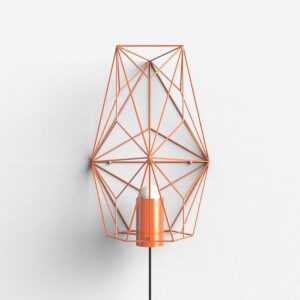
Бра комета оранжевый ARCHPOLE
20957 руб.