Скидка 5% на первый заказ — RDS5



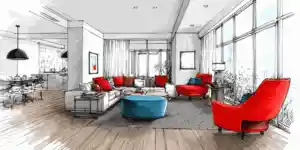
Современный дизайн на английском
Modern design in English represents a fascinating fusion of functionality and aesthetics that continues to evolve with technological advancements and cultural shifts. This dynamic field encompasses everything from interior spaces to digital interfaces, reflecting how contemporary society interacts with its environment. The challenge lies in understanding how these design principles translate across different mediums while maintaining their core essence. As we delve deeper into this topic, you’ll discover how modern design principles create meaningful connections between form and function. By exploring various applications and expert insights, this article will equip you with comprehensive knowledge about contemporary design approaches and their practical implementation.
Core Principles of Contemporary Design
Modern design rests upon several fundamental pillars that distinguish it from traditional approaches. First and foremost is minimalism – the art of achieving maximum impact through simplified forms. This principle manifests in clean lines, uncluttered spaces, and purposeful use of negative space. Functionality takes center stage, where every element serves a specific purpose without unnecessary embellishments. The integration of technology represents another crucial aspect, particularly in digital and product design. Modern solutions seamlessly blend physical and virtual elements, creating intuitive user experiences.
Sustainability has become an integral part of contemporary design philosophy. Eco-friendly materials, energy-efficient solutions, and circular design principles now guide many design decisions. This approach extends beyond environmental considerations to encompass social responsibility and ethical production methods. Another defining characteristic is adaptability – designs must accommodate changing needs and technological advancements. This flexibility ensures longevity and relevance in rapidly evolving markets.
The concept of universal design has gained significant traction, emphasizing accessibility and inclusivity. Products and spaces are created to be usable by people of all abilities, ages, and backgrounds. This inclusive approach not only expands market reach but also contributes to more equitable societies. These principles work in harmony, creating designs that are both aesthetically pleasing and practically functional while addressing contemporary challenges.
Comparative Analysis of Design Approaches
To better understand the nuances of modern design, let’s examine how it differs from traditional and transitional styles:
Aspect |
Modern Design |
Traditional Design |
Transitional Design |
|---|---|---|---|
Color Palette |
Neutral tones, bold accents |
Rich, warm colors |
Mixed palette |
Furniture Lines |
Clean, geometric |
Ornate, detailed |
Simplified elegance |
Material Use |
Industrial metals, glass |
Natural woods, fabrics |
Blended materials |
Space Utilization |
Open, multifunctional |
Defined, formal zones |
Flexible arrangements |
Technology Integration |
Seamless smart solutions |
Limited tech presence |
Selective integration |
This comparison highlights how modern design emphasizes efficiency and innovation while maintaining aesthetic appeal. The transitional approach offers a middle ground, incorporating elements from both worlds to create balanced environments.
Practical Implementation Strategies
Implementing modern design principles requires a systematic approach. Begin by conducting thorough research on current trends and user needs. Analyze how people interact with similar spaces or products, identifying pain points and opportunities for improvement. Create mood boards and concept sketches that align with your project’s objectives while incorporating modern elements. When selecting materials, prioritize sustainable options that meet performance requirements without compromising aesthetic quality.
For interior projects, focus on creating flexible spaces that can adapt to different uses. Incorporate modular furniture systems and smart storage solutions that maximize functionality. In digital design, prioritize user experience through intuitive interfaces and responsive layouts. Test prototypes extensively, gathering feedback from diverse user groups to refine your approach. Document each step of the process, creating a valuable reference for future projects.
Common Pitfalls and Expert Solutions
Even experienced designers encounter challenges when working with modern design principles. One frequent mistake is over-simplification, where spaces or products become too sterile and unwelcoming. To avoid this, incorporate texture through varied materials and thoughtful lighting schemes. Another common error involves excessive technology integration, which can overwhelm users. Instead, implement smart solutions gradually, ensuring each addition provides tangible benefits.
Budget constraints often lead to compromising on quality materials or craftsmanship. However, investing in durable, sustainable components pays dividends in the long run. Timing issues can arise when coordinating complex installations or digital implementations. Develop detailed project timelines with built-in contingencies to manage expectations effectively. Regular communication with clients and stakeholders helps prevent misunderstandings and ensures alignment throughout the process.
Innovations Shaping Future Design
Emerging technologies are revolutionizing modern design practices. Artificial intelligence enables more precise space planning and personalized user experiences. Virtual and augmented reality tools allow designers to create immersive presentations and conduct thorough testing before implementation. Smart materials that adapt to environmental conditions or user preferences are becoming increasingly accessible. Biophilic design principles are gaining prominence, integrating natural elements into urban environments to enhance well-being.
Sustainable innovations include carbon-negative materials, energy-generating surfaces, and closed-loop manufacturing processes. Digital fabrication techniques like 3D printing enable customized solutions with minimal waste. The Internet of Things (IoT) facilitates seamless connectivity between devices and environments, creating truly smart spaces. These advancements demonstrate how technology continues to push the boundaries of what’s possible in modern design.
Expert Insights: Interview with Sarah Thompson
Sarah Thompson, a renowned designer with over 15 years of experience in international projects, shares her expertise. «In my practice, I’ve observed that successful modern design always starts with understanding human behavior,» she explains. «We recently completed a corporate office project where we implemented activity-based working principles. The key was balancing open collaboration spaces with private focus areas.»
Thompson emphasizes the importance of cultural context: «Design solutions that work in New York might not translate well to Tokyo. We always conduct thorough local research before proposing any concepts.» Her advice for aspiring designers: «Develop strong technical skills, but never neglect the human element. Great design should tell a story and create emotional connections.»
Frequently Asked Questions
- How can I incorporate modern design on a limited budget?
Prioritize key elements like lighting and furniture selection. Choose multi-functional pieces and consider DIY solutions for custom elements. - What are the most important aspects of modern web design?
Focus on mobile responsiveness, fast loading times, and intuitive navigation. Implement accessible design principles and ensure content is easily scannable. - How do I balance modern aesthetics with historical architecture?
Use contemporary elements as accents rather than overwhelming features. Maintain original architectural details while introducing modern functionality through careful material selection.
Conclusion
Modern design represents a sophisticated synthesis of form, function, and technology that continues to shape our living and working environments. By understanding its core principles and practical applications, designers can create spaces and products that resonate with contemporary users while addressing sustainability and inclusivity challenges. The field’s evolution demonstrates how innovation and tradition can coexist harmoniously, providing endless possibilities for creative expression.
RU DESIGN SHOP — это интернет магазин товаров для дома и ремонта от российских производителей, rudesignshop.ru предлагает большой выбор по доступной цене и является надежным партнером при покупке с быстрой доставкой по всем городам России. RU DESIGN SHOP помогает подобрать товар по вашему проекту, а также есть система лояльности, акции и скидки. RU DESIGN SHOP реализует товары произведенные в России. RU DESIGN SHOP приглашает к сотрудничеству дизайнеров интерьера, архитекторов, строителей и мастеров.
⚠️ Дисклеймер — нажмите, чтобы развернуть
Материалы, опубликованные в разделе «Блог» на сайте RU DESIGN SHOP (rudesignshop.ru), носят исключительно информационный и ознакомительный характер и не являются руководством к действию, финансовой рекомендацией, медицинской услугой, ветеринарным назначением либо рекламой товаров и услуг, включая азартные игры. Публикации не содержат призывов к участию в азартных играх и не направлены на продвижение соответствующих операторов.
Безопасность применения товаров и веществ: при использовании строительных материалов, бытовой химии, пестицидов и агрохимикатов необходимо строго следовать инструкциям производителя и действующему законодательству Российской Федерации, включая Федеральный закон РФ от 19.07.1997 № 109-ФЗ «О безопасном обращении с пестицидами и агрохимикатами».
Упоминание товарных знаков, брендов и организаций носит исключительно информационный характер и не означает наличие партнёрских отношений или одобрения со стороны правообладателей.
Материалы, содержащие сведения о медицинских, ветеринарных или косметических средствах, представлены в справочных целях и не являются медицинской консультацией или назначением. Перед применением рекомендуется обратиться к врачу, ветеринарному специалисту или иному сертифицированному профессионалу.
Возрастные ограничения: материалы, содержащие сведения о продукции категории 18+, включая алкоголь или азартные игры, предназначены исключительно для совершеннолетней аудитории и публикуются в информационных целях.
Правовая ответственность: решения, принятые на основе опубликованной информации, пользователь принимает самостоятельно и на свой риск; редакция и авторы несут ответственность в пределах, установленных законодательством Российской Федерации.
Редакция не допускает публикаций, содержащих пропаганду экстремизма, терроризма, наркотических средств или суицида; подобные материалы подлежат немедленному удалению.
Упоминание организаций с ограниченным статусом: компания Meta Platforms Inc. (социальные сети Facebook и Instagram) признана экстремистской организацией решением суда РФ, её деятельность запрещена на территории Российской Федерации; любые упоминания приводятся исключительно в информационных целях.
Авторские права и источники: информация собирается из открытых источников; её актуальность указывается на дату публикации и может изменяться.
Изображения и иллюстрации используются на условиях, разрешённых правообладателями. При возникновении претензий редакция готова оперативно рассмотреть обращение и внести необходимые изменения.
Персональные данные и cookies: сайт использует cookies и обрабатывает персональные данные пользователей в соответствии с Федеральным законом № 152-ФЗ «О персональных данных» и Политикой конфиденциальности RU DESIGN SHOP.
Мнения авторов могут не совпадать с позицией государственных органов или коммерческих организаций, упомянутых в материалах.
РЕКОМЕНДУЕМ
Товары от российских производителей