Скидка 5% на первый заказ — RDS5




Текст про архитектуру на английском
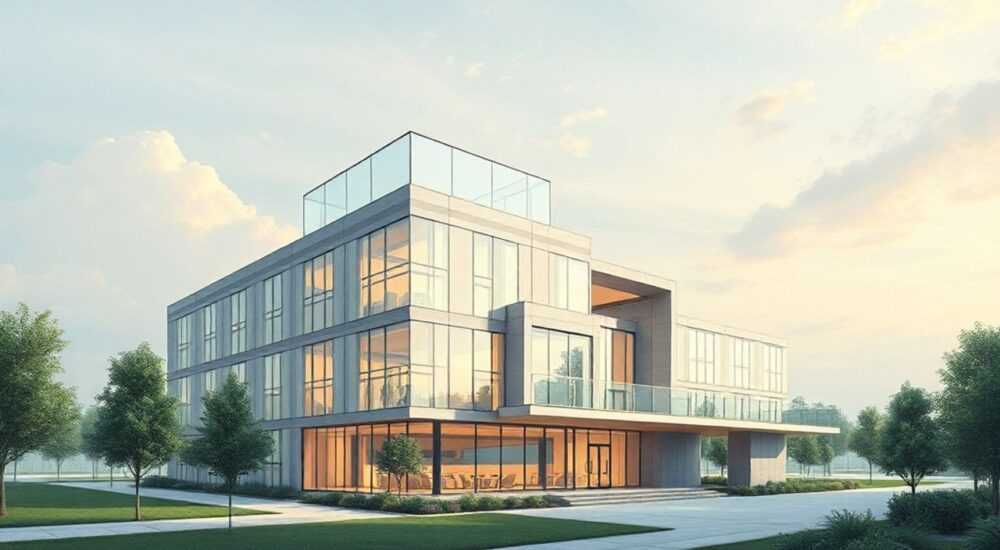
Architecture has always been more than just buildings; it’s a reflection of human progress, culture, and technological advancement. From ancient wonders like the Pyramids of Giza to modern marvels such as the Burj Khalifa, architectural evolution tells our story through concrete, steel, and glass. Today, architects face unprecedented challenges in balancing functionality, sustainability, and aesthetics while meeting the demands of rapidly growing urban populations.
The Evolution of Architectural Styles
Throughout history, architectural styles have evolved dramatically, each era leaving its distinct mark on city skylines worldwide. The journey from classical Greek columns to contemporary minimalist designs showcases humanity’s growing understanding of materials, engineering, and environmental impact. Understanding these transformations helps us appreciate both historical significance and modern innovations in building design.
- Classical Architecture (850 BC — 476 AD): Characterized by symmetry, columns, and elaborate ornamentation
- Gothic Architecture (1100-1450): Known for pointed arches, ribbed vaults, and flying buttresses
- Renaissance Architecture (1400-1600): Featured balanced proportions and classical elements
- Modern Architecture (1900-present): Emphasizes minimalism, functionality, and innovative materials
Key Elements of Contemporary Architecture
Modern architecture balances multiple factors that define successful building projects. These essential components ensure structures meet both current needs and future requirements while maintaining aesthetic appeal and structural integrity.
Element |
Description |
Importance |
|---|---|---|
Functionality |
Purpose-driven design |
Ensures practical use |
Sustainability |
Eco-friendly solutions |
Reduces environmental impact |
Aesthetics |
Visual appeal |
Creates emotional connection |
Structural Integrity |
Safety standards |
Guarantees longevity |
Architectural innovation continues to push boundaries through smart technologies and sustainable practices. The integration of AI-driven design tools and green building materials represents significant advancements in creating environmentally responsible structures.
Challenges Facing Modern Architects
Today’s architects navigate complex challenges that require balancing multiple priorities. Urbanization pressures demand innovative solutions for space optimization, while climate change necessitates sustainable building practices. Additionally, cultural preservation requirements often conflict with modern development needs.
Urban planners must address:
- Rapid population growth requiring efficient housing solutions
- Climate adaptation strategies for extreme weather conditions
- Integration of smart technologies in building infrastructure
- Preservation of historical sites amidst modernization
These challenges create unique opportunities for architectural innovation, particularly in developing adaptive reuse projects and implementing biophilic design principles.
Innovative Solutions in Building Design
The architectural community has developed remarkable solutions to contemporary challenges through creative approaches and technological integration. Parametric design software enables architects to create complex geometries while maintaining structural integrity and optimizing material usage.
Step-by-step implementation of innovative solutions includes:
- Conducting comprehensive site analysis using 3D scanning technology
- Implementing BIM (Building Information Modeling) for project visualization
- Integrating IoT devices for smart building management
- Utilizing renewable energy sources in building systems
Recent developments in modular construction techniques have significantly reduced building times while maintaining quality standards. Prefabricated components allow for precise manufacturing control and minimal on-site waste generation.
Comparing Traditional and Modern Approaches
Understanding the differences between traditional and modern architectural methods reveals the industry’s transformative journey. While conventional techniques emphasized manual craftsmanship, contemporary practices leverage digital technologies for precision and efficiency.
Aspect |
Traditional Methods |
Modern Techniques |
|---|---|---|
Design Process |
Manual drafting |
Computer-aided design (CAD) |
Material Usage |
Natural materials only |
Composite and smart materials |
Construction Time |
Extended timelines |
Accelerated schedules |
Environmental Impact |
Higher resource consumption |
Sustainable practices |
Expert Insights: Interview with Sarah Thompson
Sarah Thompson, a renowned architect with over 25 years of experience and recipient of the prestigious Pritzker Architecture Prize, shares her perspective on industry evolution. Her groundbreaking work includes designing eco-friendly skyscrapers in major metropolitan areas worldwide.
«Architecture today requires balancing artistry with scientific precision,» explains Thompson. «I’ve observed three key trends reshaping our field: digital transformation, sustainability mandates, and urban densification.» She emphasizes the importance of cross-disciplinary collaboration, particularly between architects, engineers, and environmental scientists.
Thompson’s recent project in Singapore demonstrates successful integration of vertical gardens within high-rise residential buildings. This innovative approach not only enhanced aesthetic appeal but also improved air quality and reduced urban heat island effects.
Frequently Asked Questions
- What makes a building architecturally significant?
A structure’s significance stems from its innovative design, functional excellence, and cultural impact. Iconic buildings often push technical boundaries while maintaining aesthetic appeal. - How does sustainability influence modern architecture?
Sustainable practices affect material selection, energy efficiency, and waste management throughout the building lifecycle. Green certifications like LEED now guide many architectural projects. - What role does technology play in architecture?
Technology revolutionizes design processes through advanced modeling software, 3D printing capabilities, and smart building management systems, enhancing both creativity and efficiency.
Emerging Trends in Architectural Development
The future of architecture promises exciting developments through technological integration and innovative approaches. Biophilic design principles are gaining traction, emphasizing natural light, organic materials, and indoor-outdoor connections. Meanwhile, advances in artificial intelligence enable predictive maintenance systems and optimized energy consumption patterns.
Notable emerging trends include:
- Implementation of self-healing concrete technologies
- Development of carbon-neutral building materials
- Integration of augmented reality in design presentations
- Adoption of circular economy principles in construction
These innovations demonstrate architecture’s dynamic nature and its ability to adapt to evolving societal needs while pushing creative boundaries.
RU DESIGN SHOP — это интернет магазин товаров для дома и ремонта от российских производителей, rudesignshop.ru предлагает большой выбор по доступной цене и является надежным партнером при покупке с быстрой доставкой по всем городам России. RU DESIGN SHOP помогает подобрать товар по вашему проекту, а также есть система лояльности, акции и скидки. RU DESIGN SHOP реализует товары произведенные в России. RU DESIGN SHOP приглашает к сотрудничеству дизайнеров интерьера, архитекторов, строителей и мастеров.
Architecture continues to evolve, reflecting our changing world while addressing pressing global challenges. By embracing innovative technologies, sustainable practices, and creative design solutions, the architectural community shapes environments that enhance human experiences while preserving our planet’s resources. As we look to the future, the fusion of tradition and innovation will drive architectural excellence across generations.
⚠️ Дисклеймер — нажмите, чтобы развернуть
Материалы, опубликованные в разделе «Блог» на сайте RU DESIGN SHOP (rudesignshop.ru), носят исключительно информационный и ознакомительный характер и не являются руководством к действию, финансовой рекомендацией, медицинской услугой, ветеринарным назначением либо рекламой товаров и услуг, включая азартные игры. Публикации не содержат призывов к участию в азартных играх и не направлены на продвижение соответствующих операторов.
Безопасность применения товаров и веществ: при использовании строительных материалов, бытовой химии, пестицидов и агрохимикатов необходимо строго следовать инструкциям производителя и действующему законодательству Российской Федерации, включая Федеральный закон РФ от 19.07.1997 № 109-ФЗ «О безопасном обращении с пестицидами и агрохимикатами».
Упоминание товарных знаков, брендов и организаций носит исключительно информационный характер и не означает наличие партнёрских отношений или одобрения со стороны правообладателей.
Материалы, содержащие сведения о медицинских, ветеринарных или косметических средствах, представлены в справочных целях и не являются медицинской консультацией или назначением. Перед применением рекомендуется обратиться к врачу, ветеринарному специалисту или иному сертифицированному профессионалу.
Возрастные ограничения: материалы, содержащие сведения о продукции категории 18+, включая алкоголь или азартные игры, предназначены исключительно для совершеннолетней аудитории и публикуются в информационных целях.
Правовая ответственность: решения, принятые на основе опубликованной информации, пользователь принимает самостоятельно и на свой риск; редакция и авторы несут ответственность в пределах, установленных законодательством Российской Федерации.
Редакция не допускает публикаций, содержащих пропаганду экстремизма, терроризма, наркотических средств или суицида; подобные материалы подлежат немедленному удалению.
Упоминание организаций с ограниченным статусом: компания Meta Platforms Inc. (социальные сети Facebook и Instagram) признана экстремистской организацией решением суда РФ, её деятельность запрещена на территории Российской Федерации; любые упоминания приводятся исключительно в информационных целях.
Авторские права и источники: информация собирается из открытых источников; её актуальность указывается на дату публикации и может изменяться.
Изображения и иллюстрации используются на условиях, разрешённых правообладателями. При возникновении претензий редакция готова оперативно рассмотреть обращение и внести необходимые изменения.
Персональные данные и cookies: сайт использует cookies и обрабатывает персональные данные пользователей в соответствии с Федеральным законом № 152-ФЗ «О персональных данных» и Политикой конфиденциальности RU DESIGN SHOP.
Мнения авторов могут не совпадать с позицией государственных органов или коммерческих организаций, упомянутых в материалах.
РЕКОМЕНДУЕМ
Товары от российских производителей
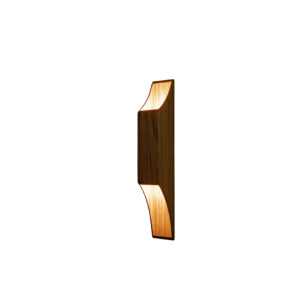
Светильник УЛЛЬ ABSOLUT SKANDIC
14000 руб.